The Best Heart-Healthy Foods for Seniors, Ranked by Science
As we age, maintaining a healthy heart becomes increasingly important. Heart disease is a leading cause of death for seniors, but the good news is that adopting a heart-healthy diet can significantly reduce your risk. This article breaks down the best foods for a healthy heart, backed by scientific evidence, and offers practical tips to incorporate them into your daily life. Let's dive in!
Understanding Heart Health and Aging
The heart undergoes changes as we age. Blood vessels can stiffen, making the heart work harder to pump blood. This can lead to high blood pressure and other cardiovascular issues. According to the National Institute on Aging (NIA), age-related heart changes are common, but lifestyle choices, especially diet, play a crucial role in managing and preventing heart disease.
Dietary choices impact cholesterol levels, blood pressure, and inflammation – all key factors in heart health. A diet rich in fruits, vegetables, and whole grains, while low in saturated and trans fats, can help maintain a healthy heart. Let's explore the top heart-healthy foods for seniors.
Top Heart-Healthy Foods, Ranked by Science
1. Fatty Fish: Omega-3 Powerhouses
Fatty fish like salmon, mackerel, sardines, and tuna are excellent sources of omega-3 fatty acids. These healthy fats have been shown to reduce triglycerides, lower blood pressure, and decrease the risk of blood clots. A study published in the Journal of the American Heart Association found that regular consumption of fatty fish is associated with a lower risk of heart failure.
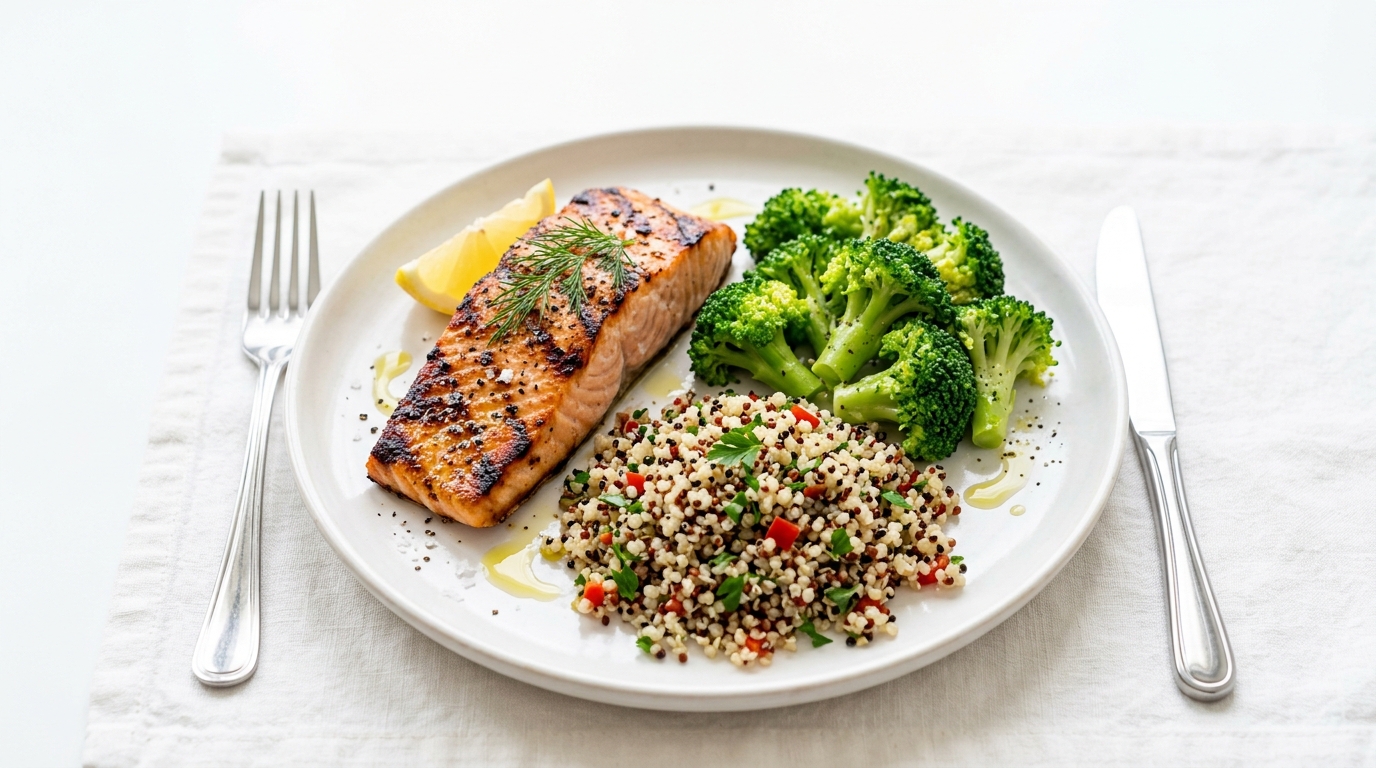
Practical Tip: Aim for at least two servings of fatty fish per week. Try grilling salmon with lemon and herbs, adding sardines to your salads, or enjoying a tuna sandwich on whole-wheat bread.
2. Leafy Green Vegetables: Nutrient-Packed Protectors
Spinach, kale, collard greens, and other leafy greens are packed with vitamins, minerals, and antioxidants that benefit heart health. They are rich in vitamin K, which helps with blood clotting, and nitrates, which can help lower blood pressure. Harvard Medical School research suggests that increased consumption of green leafy vegetables is associated with a significantly lower risk of cardiovascular disease.
Practical Tip: Add a handful of spinach to your morning smoothie, sauté kale with garlic and olive oil, or make a vibrant salad with mixed greens, berries, and nuts.
3. Berries: Antioxidant Champions
Blueberries, strawberries, raspberries, and blackberries are loaded with antioxidants called anthocyanins, which help protect against inflammation and oxidative stress. These factors contribute to heart disease. A study by the Cleveland Clinic found that eating berries regularly can improve blood vessel function and reduce the risk of heart attacks.
Practical Tip: Enjoy a cup of berries as a snack, add them to your cereal or yogurt, or blend them into a delicious smoothie.
4. Whole Grains: Fiber-Rich Essentials
Oats, brown rice, quinoa, and whole-wheat bread are excellent sources of fiber, which helps lower cholesterol levels and regulate blood sugar. Fiber also promotes a feeling of fullness, which can aid in weight management. According to the Mayo Clinic, incorporating whole grains into your diet can reduce the risk of heart disease.
Practical Tip: Start your day with a bowl of oatmeal, swap white rice for brown rice, and choose whole-wheat bread for sandwiches.
5. Nuts and Seeds: Healthy Fat Sources
Almonds, walnuts, chia seeds, and flaxseeds are rich in healthy fats, fiber, and antioxidants. They can help lower LDL (bad) cholesterol and reduce the risk of blood clots. The AARP recommends including a variety of nuts and seeds in your diet for optimal heart health.
Practical Tip: Snack on a handful of almonds or walnuts, sprinkle chia seeds on your salad, or add flaxseeds to your smoothie.
6. Legumes: Plant-Based Protein Power
Beans, lentils, and chickpeas are excellent sources of plant-based protein and fiber. They can help lower cholesterol levels and regulate blood sugar. A meta-analysis published in the Archives of Internal Medicine found that consuming legumes regularly is associated with a lower risk of coronary heart disease.
Practical Tip: Add beans to your soups and stews, make a lentil soup, or enjoy hummus with whole-wheat pita bread.
7. Olive Oil: A Mediterranean Staple
Extra virgin olive oil is a healthy fat that's rich in antioxidants and monounsaturated fats. It can help lower LDL cholesterol and reduce inflammation. Studies have shown that people who consume olive oil regularly have a lower risk of heart disease.
Practical Tip: Use olive oil for cooking, salad dressings, and dipping bread.
Foods to Limit or Avoid
While incorporating heart-healthy foods is essential, it's equally important to limit or avoid foods that can harm your heart. These include:
- Saturated and trans fats: Found in red meat, processed foods, and fried foods.
- Sodium: High sodium intake can raise blood pressure.
- Added sugars: Found in sugary drinks, desserts, and processed foods.
Creating a Heart-Healthy Meal Plan
Building a heart-healthy meal plan doesn't have to be complicated. Here's a sample day:
- Breakfast: Oatmeal with berries and nuts.
- Lunch: Salad with grilled chicken or fish, mixed greens, and a vinaigrette dressing.
- Dinner: Baked salmon with roasted vegetables (broccoli, carrots, and sweet potatoes).
- Snacks: A handful of almonds or walnuts, a piece of fruit, or yogurt.
Key Takeaways
- Prioritize fatty fish, leafy greens, berries, whole grains, nuts, seeds, legumes, and olive oil in your diet.
- Limit saturated and trans fats, sodium, and added sugars.
- Aim for at least two servings of fatty fish per week.
- Incorporate a variety of fruits and vegetables into your meals.
- Consult with your doctor or a registered dietitian for personalized dietary advice.
Actionable Steps You Can Take Today
- Read Food Labels: Start paying attention to the nutrition labels on packaged foods to monitor your intake of saturated fats, sodium, and added sugars.
- Plan Your Meals: Take some time each week to plan your meals in advance. This will help you make healthier choices and avoid impulse decisions.
- Cook at Home: Cooking at home allows you to control the ingredients and portion sizes, making it easier to eat heart-healthy meals.
Making small, sustainable changes to your diet can have a significant impact on your heart health. By incorporating these heart-healthy foods into your daily life, you can improve your overall well-being and reduce your risk of heart disease.
Want to learn more about healthy aging? Check out our other articles on SeniorVitalityHub.blog!

Comments