The Best Probiotics for Seniors: A Complete Guide
As we age, our bodies change, and that includes the delicate balance of bacteria in our gut. Probiotics, often called “good” bacteria, can play a crucial role in maintaining digestive health, boosting immunity, and even improving mental well-being. But with so many options available, how do seniors choose the right probiotic? This guide will walk you through everything you need to know.
Why Probiotics Are Important for Seniors
The gut microbiome, the community of microorganisms living in our digestive tract, significantly impacts our health. As we age, the diversity and balance of this microbiome can shift, often leading to several health challenges. According to the National Institute on Aging (NIA), age-related changes in the gut can contribute to weakened immunity, digestive issues, and even cognitive decline.
Digestive Health
One of the primary benefits of probiotics is their ability to improve digestive health. Seniors often experience issues like constipation, bloating, and irritable bowel syndrome (IBS). Probiotics can help alleviate these symptoms by promoting regular bowel movements and reducing inflammation in the gut. Harvard Medical School research suggests that specific strains of probiotics, such as Bifidobacterium and Lactobacillus, are particularly effective in managing these conditions.
Immune System Support
A significant portion of our immune system resides in the gut. Probiotics help strengthen the immune system by stimulating the production of antibodies and enhancing the activity of immune cells. A 2020 study published in Nutrients found that probiotic supplementation reduced the incidence and duration of respiratory infections in older adults.
Mental Well-being
Emerging research highlights the gut-brain axis, the bidirectional communication pathway between the gut and the brain. Probiotics can influence mood and cognitive function by producing neurotransmitters like serotonin and dopamine. The Mayo Clinic notes that maintaining a healthy gut microbiome may help reduce symptoms of anxiety and depression, which are common among seniors.
Choosing the Right Probiotic: What to Look For
Selecting the right probiotic involves considering several factors. Not all probiotics are created equal, and what works for one person may not work for another. Here’s what to keep in mind:
Strain Specificity
Probiotics are identified by their genus, species, and strain. Different strains have different effects. For example, Lactobacillus rhamnosus GG is well-studied for its ability to prevent antibiotic-associated diarrhea, while Bifidobacterium lactis HN019 is known for promoting regularity. Look for products that list the specific strains they contain.
CFU Count
CFU stands for Colony Forming Units, which indicates the number of live and active bacteria in each dose. A higher CFU count isn’t always better. For seniors, a range of 5 billion to 20 billion CFU is generally recommended. However, it’s essential to consult with a healthcare professional to determine the appropriate dosage for your individual needs.
Delivery Method
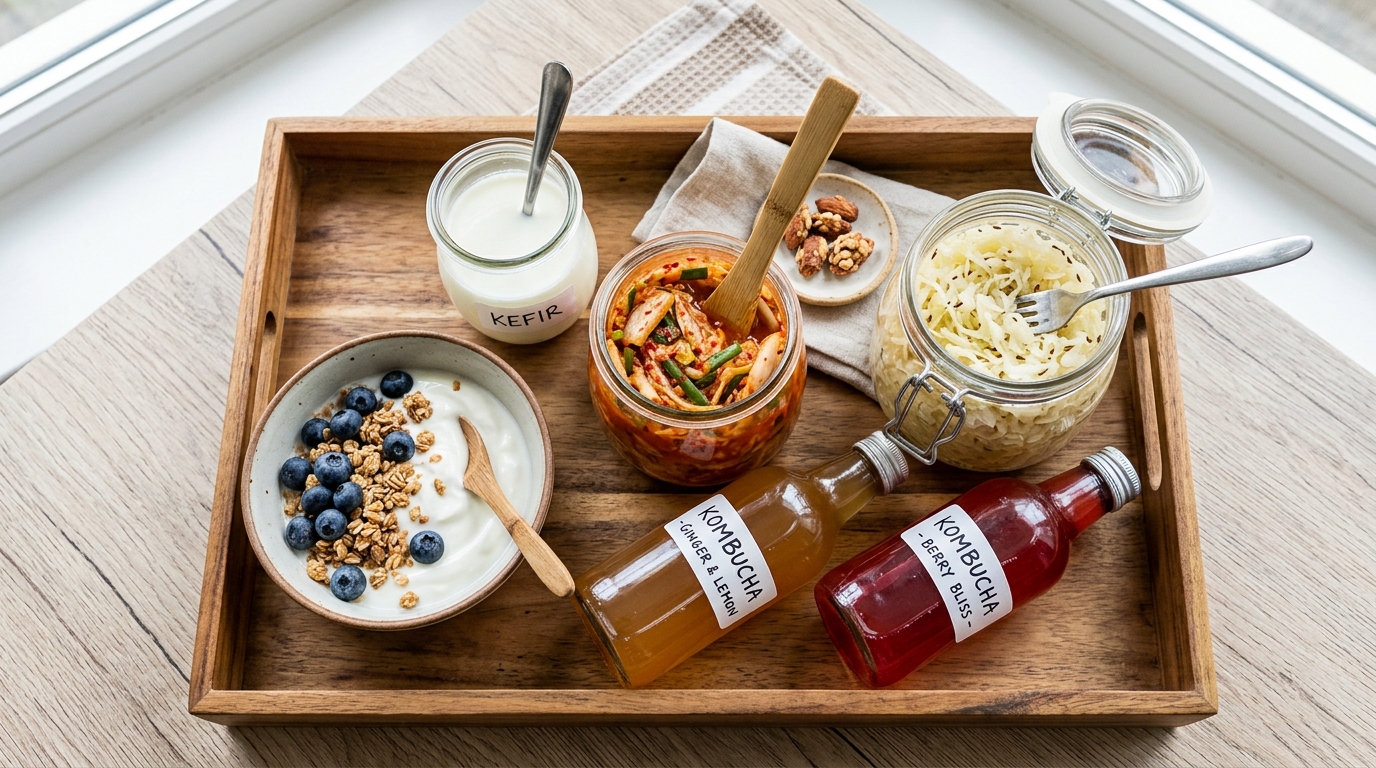
Probiotics are available in various forms, including capsules, tablets, powders, and yogurts. Capsules with enteric coating are often preferred because they protect the bacteria from stomach acid, ensuring they reach the intestines alive. Yogurt can be a good option, but make sure it contains live and active cultures and is low in added sugar. Fermented foods like kefir and sauerkraut are also great natural sources of probiotics.
Third-Party Testing
Look for probiotics that have been third-party tested by organizations like NSF International or USP. This ensures that the product contains the ingredients listed on the label and is free from contaminants. This is especially important for seniors who may be more vulnerable to adverse effects.
Consider Your Specific Needs
Are you taking antibiotics? Do you struggle with constipation? Do you have a specific condition like IBS? Your answers to these questions will help you choose a probiotic that targets your specific needs. It’s always a good idea to discuss your options with your doctor or a registered dietitian.
Incorporating Probiotics Into Your Daily Routine
Adding probiotics to your daily routine doesn't have to be complicated. Here are a few simple tips:
- Start Slowly: Begin with a low dose and gradually increase it to avoid digestive discomfort.
- Take with Food: Some probiotics are best taken with food to improve their survival rate. Follow the instructions on the product label.
- Be Consistent: Probiotics work best when taken regularly. Make it a part of your daily routine, such as taking it with your morning meal or before bed.
- Stay Hydrated: Drink plenty of water to support healthy digestion and help the probiotics thrive.
- Eat a Balanced Diet: A diet rich in fiber, fruits, and vegetables provides the necessary fuel for probiotics to flourish.
Potential Side Effects and Precautions
While probiotics are generally safe, some people may experience mild side effects, such as gas, bloating, or diarrhea, especially when first starting. These symptoms usually subside within a few days. However, individuals with weakened immune systems or serious underlying health conditions should consult with their doctor before taking probiotics. AARP recommends discussing any new supplements with your healthcare provider, especially if you are taking other medications.
Key Takeaways
- Probiotics can significantly improve digestive health, boost immunity, and enhance mental well-being in seniors.
- Choose probiotics with specific strains and an appropriate CFU count based on your individual needs.
- Look for products that have been third-party tested to ensure quality and purity.
- Incorporate probiotics gradually into your daily routine and maintain a balanced diet.
- Consult with your doctor or a registered dietitian before starting any new supplement regimen.
Ready to Learn More?
Maintaining good health as a senior involves a multifaceted approach. Probiotics can be a valuable tool, but they are just one piece of the puzzle. Explore our other articles on SeniorVitalityHub.blog to discover more ways to enhance your well-being and enjoy a vibrant, fulfilling life!

Comments