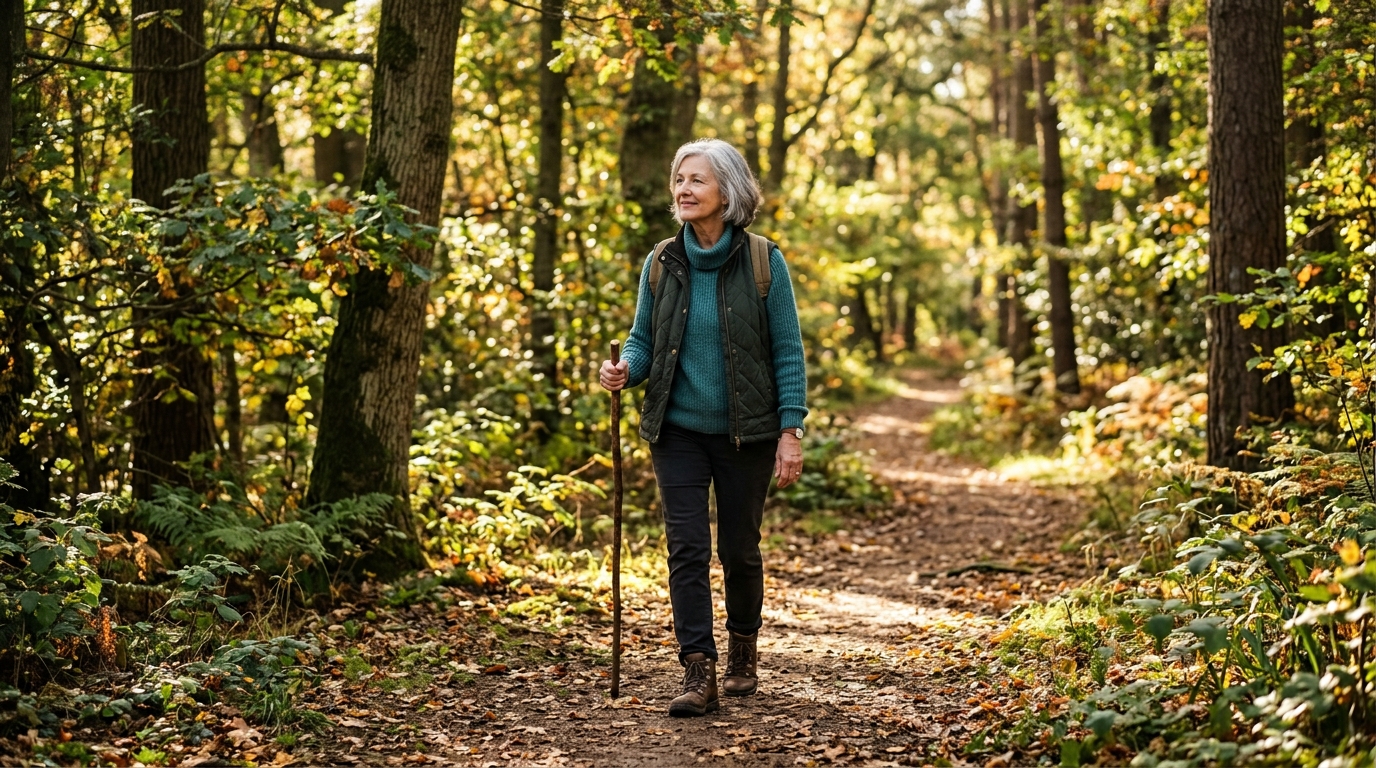
As we gracefully navigate the golden years, maintaining both physical and mental well-being becomes paramount. While many focus on diet and exercise, the simple act of walking in nature often gets overlooked as a powerful tool for enhancing mental health. For those of us over 60, reconnecting with the natural world can unlock a wealth of benefits, from reducing stress to boosting cognitive function. Let's explore how a stroll in the park, a hike in the woods, or even a few minutes in your garden can significantly improve your mental and emotional state.
The Science Behind Nature's Calming Effect
The positive impact of nature on mental health isn't just anecdotal; it's backed by solid scientific research. Studies have consistently shown that spending time outdoors can lower stress hormones, reduce symptoms of anxiety and depression, and improve overall mood. But how does it work?
Reducing Stress and Anxiety
One key factor is the reduction of cortisol, the body's primary stress hormone. A study published in Environmental Science & Technology found that individuals who spent time in forests had significantly lower cortisol levels compared to those who spent time in urban environments. This calming effect can be particularly beneficial for seniors, who may be dealing with age-related stressors such as health concerns, financial worries, or social isolation.
Boosting Mood and Combating Depression
Nature also has a remarkable ability to elevate mood. Exposure to sunlight increases the production of serotonin, a neurotransmitter associated with feelings of happiness and well-being. Furthermore, the sights, sounds, and smells of nature can be incredibly soothing and restorative. According to Harvard Medical School, even brief encounters with nature can trigger positive emotions and reduce feelings of sadness or hopelessness. AARP also notes the importance of Vitamin D from sunlight for older adults, which is important for mood and bone health.
Improving Cognitive Function
Walking in nature isn't just good for your emotional state; it can also sharpen your mind. Research suggests that spending time outdoors can improve cognitive function, including memory, attention span, and problem-solving skills. A study from the University of Michigan found that a walk in nature improved memory performance by 20% (as cited by the NIH). This is especially important for seniors, as cognitive decline is a common concern as we age.
Practical Ways to Incorporate Nature Walks Into Your Routine
The beauty of nature walks is that they're accessible to almost everyone, regardless of fitness level or location. Here are some practical tips for incorporating nature walks into your daily or weekly routine:
Start Small and Build Gradually
If you're new to walking or have mobility limitations, start with short, gentle walks in your backyard or a nearby park. Gradually increase the duration and intensity of your walks as you become more comfortable. Even 10-15 minutes a day can make a difference.
Find a Walking Buddy
Walking with a friend, family member, or even a dog can make the experience more enjoyable and provide a sense of social connection. Social interaction is crucial for mental well-being, especially for seniors who may be at risk of social isolation. The National Council on Aging (NCOA) emphasizes the importance of social engagement for healthy aging.
Choose the Right Environment
Select a walking environment that is safe, accessible, and appealing to you. This could be a local park, a botanical garden, a nature trail, or even a quiet residential street with plenty of trees and greenery. Consider the terrain, weather conditions, and potential hazards before you head out. The Cleveland Clinic recommends checking weather forecasts and dressing appropriately for outdoor activities.
Engage Your Senses
As you walk, take the time to truly engage with your surroundings. Notice the colors of the flowers, the sounds of the birds, the feel of the breeze on your skin, and the smells of the earth. This mindful approach can enhance the calming and restorative effects of nature.
Make It a Regular Habit
Consistency is key when it comes to reaping the mental health benefits of nature walks. Aim to incorporate them into your routine on a regular basis, whether it's daily, weekly, or even monthly. Schedule them into your calendar and treat them as important appointments.
Overcoming Obstacles
It's important to acknowledge that there may be challenges to overcome when trying to incorporate nature walks into your routine. Here are some common obstacles and potential solutions:
- Mobility limitations: Use assistive devices such as walking sticks or walkers, choose accessible trails, and consider shorter, more frequent walks.
- Weather conditions: Walk indoors on inclement weather days, or choose sheltered walking routes.
- Safety concerns: Walk with a friend or family member, choose well-lit and populated areas, and carry a cell phone.
- Lack of time: Even a few minutes of nature exposure can be beneficial. Incorporate nature into your daily commute or take a short walk during your lunch break.
Key Takeaways
- Walking in nature can significantly reduce stress and anxiety levels.
- Exposure to nature can boost mood and combat symptoms of depression.
- Nature walks can improve cognitive function, including memory and attention.
- Incorporating nature walks into your routine is accessible and beneficial for seniors of all fitness levels.
- Engaging your senses and making nature walks a regular habit can maximize their mental health benefits.
Taking a walk in nature is a simple yet powerful way to nurture your mental and emotional well-being as you age. By incorporating this practice into your routine, you can unlock a wealth of benefits that will enhance your quality of life and help you thrive in your golden years. So, step outside, breathe in the fresh air, and let nature work its magic.
Ready to explore more ways to boost your vitality? Check out our other articles on SeniorVitalityHub.blog for expert advice on healthy aging!

Comments