As we gracefully age, our bodies undergo numerous changes, and sleep is no exception. What once was a simple matter of drifting off to dreamland can become a nightly challenge. Establishing an optimal sleep schedule is crucial for maintaining physical and cognitive health in our senior years. This article will delve into the science-backed strategies to help you achieve restful and rejuvenating sleep.
Understanding Sleep Changes in Seniors
It's no secret that sleep patterns evolve as we get older. Many seniors experience changes in their circadian rhythm, the internal clock that regulates sleep-wake cycles. According to the National Sleep Foundation, older adults tend to feel sleepy earlier in the evening and wake up earlier in the morning. This shift can lead to shorter sleep durations and increased daytime sleepiness. Furthermore, the quality of sleep often diminishes, with more frequent awakenings and less time spent in deep, restorative sleep stages.
Common Sleep Challenges
- Insomnia: Difficulty falling asleep, staying asleep, or waking up too early.
- Sleep Apnea: A condition where breathing repeatedly stops and starts during sleep. The Mayo Clinic notes that sleep apnea becomes more prevalent with age.
- Restless Legs Syndrome (RLS): An irresistible urge to move the legs, often accompanied by uncomfortable sensations.
- Nocturia: Frequent urination during the night, disrupting sleep.
- Chronic Pain: Conditions like arthritis can make it difficult to find a comfortable sleeping position.
The Importance of Prioritizing Sleep
Adequate sleep is not a luxury; it's a fundamental pillar of health. For seniors, quality sleep is especially vital for:
- Cognitive Function: Sleep plays a crucial role in memory consolidation and cognitive performance. Harvard Medical School research shows that sleep deprivation can impair attention, concentration, and decision-making.
- Physical Health: Sufficient sleep supports immune function, cardiovascular health, and metabolic regulation.
- Emotional Well-being: Lack of sleep can exacerbate mood swings, anxiety, and depression.
- Fall Prevention: Drowsiness and impaired balance increase the risk of falls, a major concern for seniors.
Creating Your Optimal Sleep Schedule
Crafting the ideal sleep schedule is a personalized process, but these general guidelines can serve as a solid foundation:
1. Establish a Consistent Bedtime and Wake-Up Time
Consistency is key to regulating your circadian rhythm. Aim to go to bed and wake up at the same time every day, even on weekends. This helps synchronize your internal clock and promotes more regular sleep patterns. A 2022 study published in JAMA Internal Medicine found that individuals with irregular sleep schedules had a higher risk of cardiovascular disease.
2. Optimize Your Sleep Environment
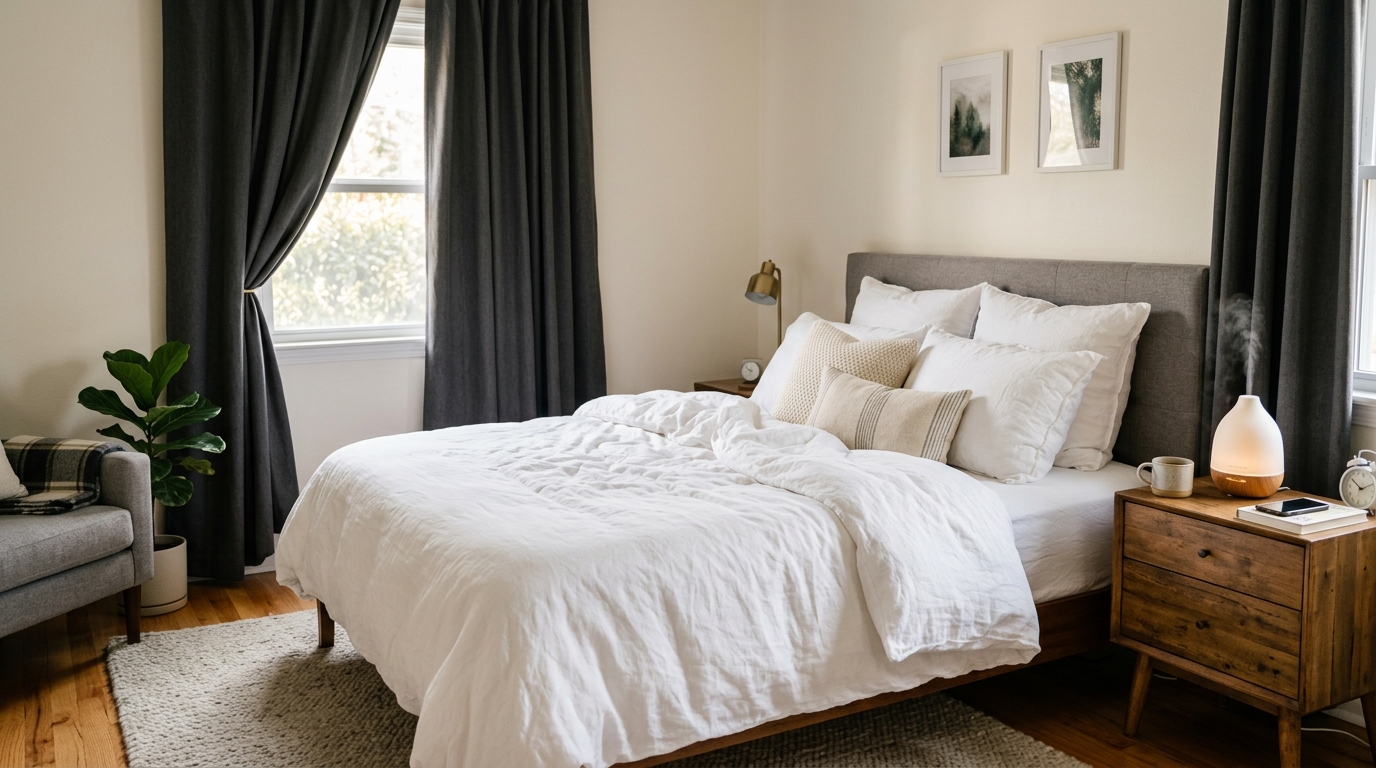
Your bedroom should be a haven for sleep. Ensure it's dark, quiet, and cool. Blackout curtains, earplugs, or a white noise machine can help minimize disturbances. The ideal room temperature for sleep is typically between 60 and 67 degrees Fahrenheit. A comfortable mattress and pillows are also essential for proper spinal alignment and pressure relief.
3. Develop a Relaxing Bedtime Routine
Wind down with calming activities in the hour or two before bed. This could include:
- Reading a book: Opt for a physical book instead of an e-reader, as the blue light emitted from electronic devices can interfere with sleep.
- Taking a warm bath or shower: The drop in body temperature after a warm bath can promote relaxation and sleepiness.
- Listening to soothing music: Choose calming instrumental music or nature sounds.
- Practicing relaxation techniques: Deep breathing exercises, meditation, or gentle stretching can help ease tension and prepare your body for sleep.
4. Limit Screen Time Before Bed
The blue light emitted from smartphones, tablets, and computers suppresses melatonin production, a hormone that regulates sleep. The NIH recommends avoiding screen time for at least one to two hours before bed. If you must use electronic devices, consider using blue light filters or apps that reduce blue light emissions.
5. Watch Your Diet and Exercise
What you eat and how you move can significantly impact your sleep. Avoid heavy meals, caffeine, and alcohol close to bedtime. Regular physical activity is beneficial for sleep, but avoid strenuous workouts in the evening. Aim for at least 30 minutes of moderate-intensity exercise most days of the week, but finish your workout at least three hours before bedtime.
6. Consider a Short Daytime Nap
A short nap (20-30 minutes) can be refreshing and improve alertness. However, avoid long or late-afternoon naps, as they can interfere with nighttime sleep. The AARP suggests that a power nap can boost cognitive function and mood without disrupting your sleep schedule.
7. Manage Underlying Health Conditions
Many health conditions can disrupt sleep. Work with your doctor to manage conditions like pain, nocturia, and sleep apnea. Medications can also affect sleep, so review your medications with your doctor to identify any potential culprits.
Key Takeaways
- Prioritize consistency by maintaining a regular sleep-wake schedule, even on weekends.
- Create a sleep-friendly environment that is dark, quiet, and cool.
- Establish a relaxing bedtime routine to wind down before sleep.
- Limit screen time and avoid caffeine and alcohol close to bedtime.
- Address any underlying health conditions that may be interfering with sleep.
When to Seek Professional Help
If you've implemented these strategies and are still struggling with sleep, it's time to consult your doctor. They can evaluate your sleep patterns, identify any underlying medical conditions, and recommend appropriate treatments, such as cognitive behavioral therapy for insomnia (CBT-I) or a sleep study to diagnose sleep apnea.
Improving your sleep schedule is an investment in your overall health and well-being. By making small, consistent changes to your daily routine, you can unlock the power of restful sleep and enjoy a more vibrant and fulfilling life.
Ready to learn more ways to enhance your vitality? Explore our other articles on SeniorVitalityHub.blog today!

Comments