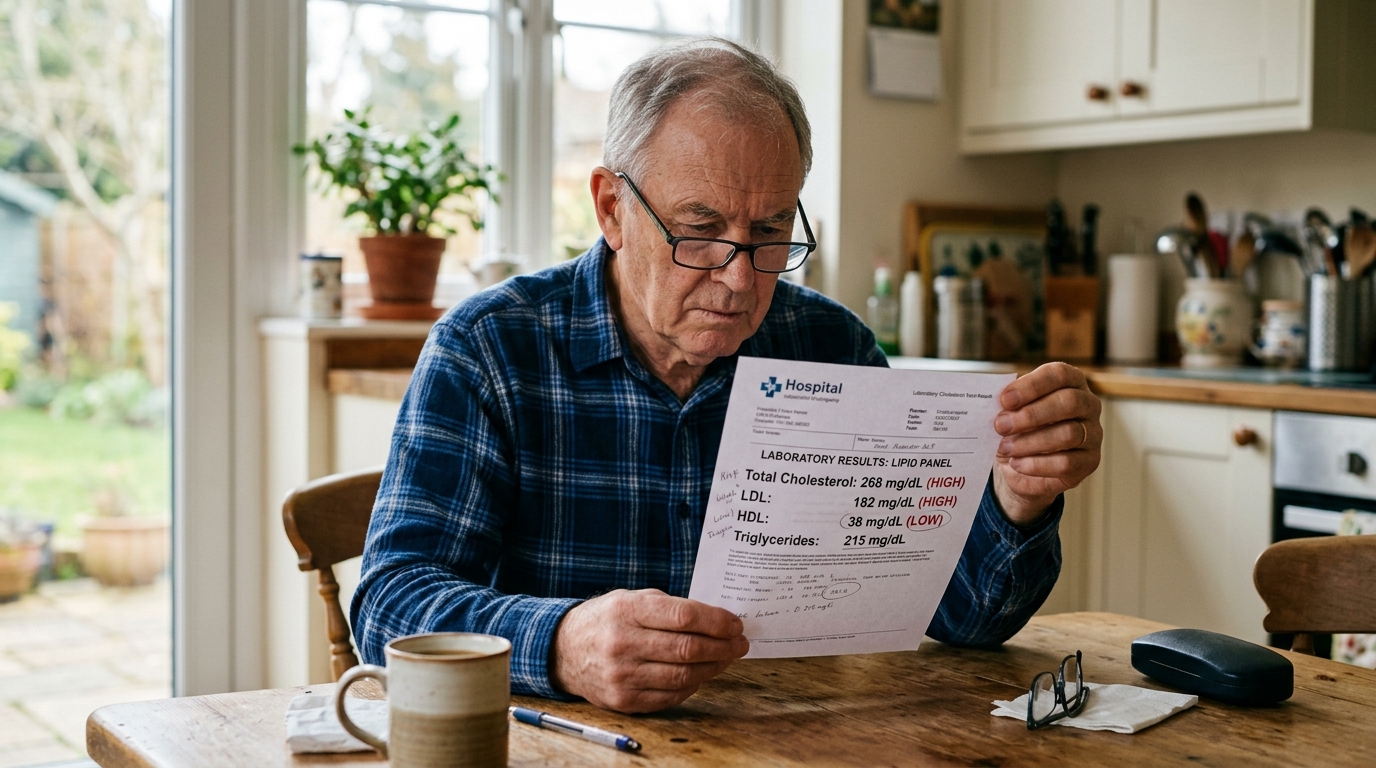
As we journey through our 60s and beyond, understanding our health becomes even more crucial. Among the many aspects of well-being, cholesterol levels often take center stage. But what do those numbers really mean, and how should they influence our lifestyle choices? This article will break down the complexities of cholesterol, specifically tailored for those over 60, providing practical insights and actionable steps to maintain a healthy heart.
What is Cholesterol and Why Does it Matter?
Cholesterol is a waxy, fat-like substance found in all cells of the body. It's essential for building cell membranes, producing hormones, and helping your body digest fats. However, having too much cholesterol in your blood can lead to a buildup of plaque in your arteries, a condition known as atherosclerosis. This plaque can narrow your arteries, reducing blood flow to your heart and brain, increasing the risk of heart attack and stroke. According to the American Heart Association, managing cholesterol levels is a key factor in preventing cardiovascular disease.
Types of Cholesterol: The Good, the Bad, and the Ugly
- Low-Density Lipoprotein (LDL): Often referred to as “bad” cholesterol, LDL contributes to plaque buildup in arteries. Higher LDL levels increase your risk of heart disease.
- High-Density Lipoprotein (HDL): Known as “good” cholesterol, HDL helps remove LDL from the arteries and transport it back to the liver for processing. Higher HDL levels are generally considered protective.
- Triglycerides: A type of fat in your blood. High levels of triglycerides, especially when combined with high LDL or low HDL, can increase your risk of heart disease.
- Total Cholesterol: A measure of all the cholesterol in your blood, including LDL, HDL, and triglycerides.
Understanding Your Cholesterol Numbers
A standard cholesterol test, called a lipid panel, measures these different types of cholesterol. The results are reported in milligrams per deciliter (mg/dL). Here's a general guideline for interpreting your cholesterol numbers, keeping in mind that these are general recommendations and your doctor may have specific targets for you:
- Total Cholesterol:
- Desirable: Less than 200 mg/dL
- Borderline High: 200-239 mg/dL
- High: 240 mg/dL and above
- LDL Cholesterol:
- Optimal: Less than 100 mg/dL
- Near Optimal/Above Optimal: 100-129 mg/dL
- Borderline High: 130-159 mg/dL
- High: 160-189 mg/dL
- Very High: 190 mg/dL and above
- HDL Cholesterol:
- Low: Less than 40 mg/dL (Undesirable)
- Optimal: 60 mg/dL or higher (Protective)
- Triglycerides:
- Normal: Less than 150 mg/dL
- Borderline High: 150-199 mg/dL
- High: 200-499 mg/dL
- Very High: 500 mg/dL and above
It's important to note that these are just guidelines. Your doctor will consider your overall health, including age, family history, blood pressure, smoking status, and other risk factors, to determine your ideal cholesterol levels and treatment plan. A 2023 report from the National Institutes of Health (NIH) emphasizes the importance of individualized treatment plans based on a comprehensive risk assessment.
Why Cholesterol Management is Important After 60
As we age, our risk of developing high cholesterol increases. This is partly due to natural changes in our bodies and partly due to lifestyle factors that may have accumulated over time. High cholesterol can lead to serious health problems, including:
- Heart Disease: The leading cause of death in the United States, according to the Centers for Disease Control and Prevention (CDC).
- Stroke: Occurs when blood supply to the brain is interrupted.
- Peripheral Artery Disease (PAD): Narrowing of the arteries in the legs and feet, leading to pain and reduced mobility.
- Heart Attack: Occurs when blood flow to the heart is blocked.
Managing cholesterol levels after 60 can significantly reduce your risk of these conditions and improve your overall quality of life. The Cleveland Clinic highlights that even small improvements in cholesterol levels can lead to substantial benefits in cardiovascular health.
Practical Steps to Improve Your Cholesterol Levels
Fortunately, there are many things you can do to improve your cholesterol levels. Here are some practical steps you can take:
Lifestyle Changes
- Diet:
- Reduce Saturated and Trans Fats: These fats raise LDL cholesterol. Limit red meat, processed foods, and fried foods.
- Increase Soluble Fiber: Helps lower LDL cholesterol. Good sources include oatmeal, beans, apples, and pears.
- Eat Healthy Fats: Unsaturated fats, such as those found in olive oil, avocados, and nuts, can help raise HDL cholesterol.
- Include Omega-3 Fatty Acids: Found in fatty fish like salmon, tuna, and mackerel. They can help lower triglycerides.
- Exercise: Aim for at least 30 minutes of moderate-intensity exercise most days of the week. This can help lower LDL cholesterol and raise HDL cholesterol. Even a brisk walk can make a difference.
- Maintain a Healthy Weight: Losing even a small amount of weight can improve your cholesterol levels.
- Quit Smoking: Smoking lowers HDL cholesterol and increases the risk of heart disease.
- Limit Alcohol Consumption: Excessive alcohol consumption can raise triglyceride levels.
Medical Interventions
In some cases, lifestyle changes may not be enough to lower cholesterol levels. Your doctor may recommend medication, such as statins, to help lower LDL cholesterol. Statins are generally safe and effective, but it's important to discuss the potential risks and benefits with your doctor. According to AARP, statins are one of the most commonly prescribed medications for lowering cholesterol in older adults.
Working with Your Doctor
The best way to manage your cholesterol is to work closely with your doctor. Schedule regular checkups and discuss your cholesterol levels, risk factors, and treatment options. Don't hesitate to ask questions and express any concerns you may have. Your doctor can help you develop a personalized plan to manage your cholesterol and protect your heart health.
Key Takeaways
- Understanding your cholesterol numbers is crucial for maintaining heart health after 60.
- Lifestyle changes, such as diet and exercise, can significantly improve cholesterol levels.
- Work closely with your doctor to develop a personalized treatment plan.
- Don't hesitate to ask questions and express any concerns you may have.
- Even small improvements in cholesterol levels can lead to substantial benefits.
Your health is your wealth, especially as you embrace your golden years. Take proactive steps today to understand and manage your cholesterol for a healthier, happier tomorrow.
Want to learn more about maintaining a healthy heart? Explore our other articles on SeniorVitalityHub.blog!

Comments