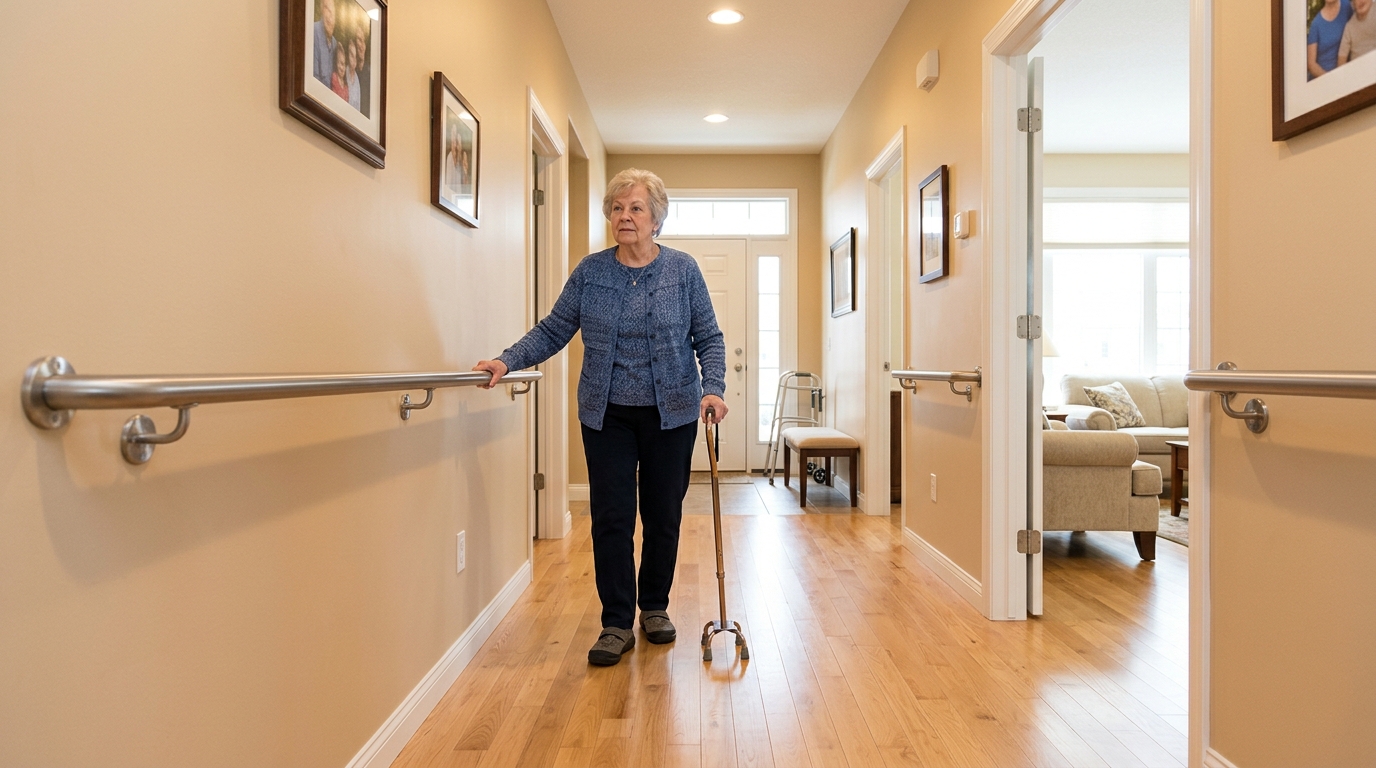
As we celebrate each passing year, our bodies naturally undergo changes. One area where these changes become particularly noticeable is our vision. After the age of 60, it's common to experience shifts in eyesight. While some of these changes are a normal part of aging, others could signal more serious underlying conditions that require medical attention. Understanding the difference is crucial for maintaining optimal eye health and overall well-being.
Normal Vision Changes After 60
Several vision changes are commonly associated with aging. Recognizing these as normal can alleviate unnecessary worry and help you adapt accordingly.
Presbyopia: The Need for Reading Glasses
Presbyopia, often called “age-related farsightedness,” is a very common condition that affects nearly everyone over the age of 40. It's the gradual loss of the eye's ability to focus on nearby objects. This happens because the lens inside your eye becomes less flexible over time. According to the American Academy of Ophthalmology, presbyopia can be easily corrected with reading glasses, bifocals, or progressive lenses.
Decreased Tear Production: Dry Eyes
Many seniors experience a decrease in tear production, leading to dry eyes. This can cause discomfort, a gritty sensation, and even blurred vision. Harvard Medical School notes that dry eye syndrome becomes more prevalent with age, especially in women after menopause. Using artificial tears regularly can help alleviate symptoms. Consult with your eye doctor for personalized recommendations.
Changes in Color Perception
As we age, the cells in our eyes responsible for color perception can become less sensitive. This can make it harder to distinguish between certain colors, particularly blues and purples. The Cleveland Clinic states that this is a normal part of aging and usually doesn't significantly impact daily life. However, being aware of this change can help you adjust your environment and lighting accordingly.
Reduced Pupil Size
With age, the muscles that control the size of our pupils can weaken, leading to smaller pupils. This means less light enters the eye, making it harder to see in dimly lit environments. This can also affect your ability to adapt to changes in light levels. Increasing the amount of light in your home and using a flashlight when navigating dark areas can be helpful.
Vision Changes That Need a Doctor's Attention
While some vision changes are normal, others can be signs of potentially serious eye conditions. It's essential to be aware of these warning signs and seek prompt medical attention if you experience them.
Sudden Vision Loss or Blurred Vision
Sudden vision loss or a significant blurring of vision should never be ignored. These can be symptoms of serious conditions like retinal detachment, stroke, or optic nerve damage. The National Eye Institute emphasizes that early diagnosis and treatment are crucial for preserving vision in these cases. Don't delay – see an eye doctor immediately.
Halos Around Lights
Seeing halos around lights, especially at night, can be a sign of glaucoma, a condition that damages the optic nerve. Glaucoma often develops slowly and without noticeable symptoms, but halos can be an early warning sign. According to the Glaucoma Research Foundation, regular eye exams are essential for detecting and managing glaucoma.
Floaters and Flashes
An occasional floater (small spots or lines that drift across your vision) is usually harmless. However, a sudden increase in floaters, especially when accompanied by flashes of light, could indicate a retinal tear or detachment. Johns Hopkins Medicine advises seeking immediate medical attention if you experience these symptoms. Retinal detachment is a medical emergency that requires prompt treatment to prevent permanent vision loss.
Eye Pain or Redness
Persistent eye pain, redness, or swelling can be signs of infection, inflammation, or other eye conditions. These symptoms should be evaluated by an eye doctor to determine the underlying cause and receive appropriate treatment. Ignoring these symptoms can lead to more serious complications.
Distorted Vision (Metamorphopsia)
If straight lines appear wavy or distorted, it could be a sign of macular degeneration, a leading cause of vision loss in older adults. Age-related macular degeneration (AMD) affects the central part of your vision and can make it difficult to read, drive, or recognize faces. The American Macular Degeneration Foundation recommends regular eye exams and early intervention to slow the progression of AMD.
Practical Tips for Maintaining Healthy Vision
While you can't stop the aging process, you can take steps to protect your vision and maintain healthy eyes.
- Schedule Regular Eye Exams: The American Academy of Ophthalmology recommends that adults over 65 have an eye exam every one to two years, or more frequently if you have risk factors for eye disease.
- Eat a Healthy Diet: A diet rich in fruits, vegetables, and omega-3 fatty acids can help protect your eyes from age-related damage.
- Wear Sunglasses: Protect your eyes from harmful UV rays by wearing sunglasses that block 100% of UVA and UVB rays.
- Manage Chronic Conditions: Conditions like diabetes and high blood pressure can increase your risk of eye diseases. Manage these conditions with the help of your doctor.
- Quit Smoking: Smoking increases your risk of developing cataracts, macular degeneration, and other eye problems.
Key Takeaways
- Some vision changes, like presbyopia and decreased tear production, are a normal part of aging.
- Sudden vision loss, halos around lights, and a sudden increase in floaters require immediate medical attention.
- Regular eye exams are crucial for detecting and managing age-related eye conditions.
- A healthy lifestyle, including a balanced diet and protection from UV rays, can help maintain healthy vision.
- Don't hesitate to consult with your eye doctor if you have any concerns about your vision.
Taking proactive steps to care for your eyes can significantly impact your quality of life as you age. By understanding the difference between normal age-related changes and potential warning signs, you can ensure that you receive the care you need to maintain healthy vision for years to come.
Want to learn more about healthy aging? Explore our other articles on SeniorVitalityHub.blog!

Comments