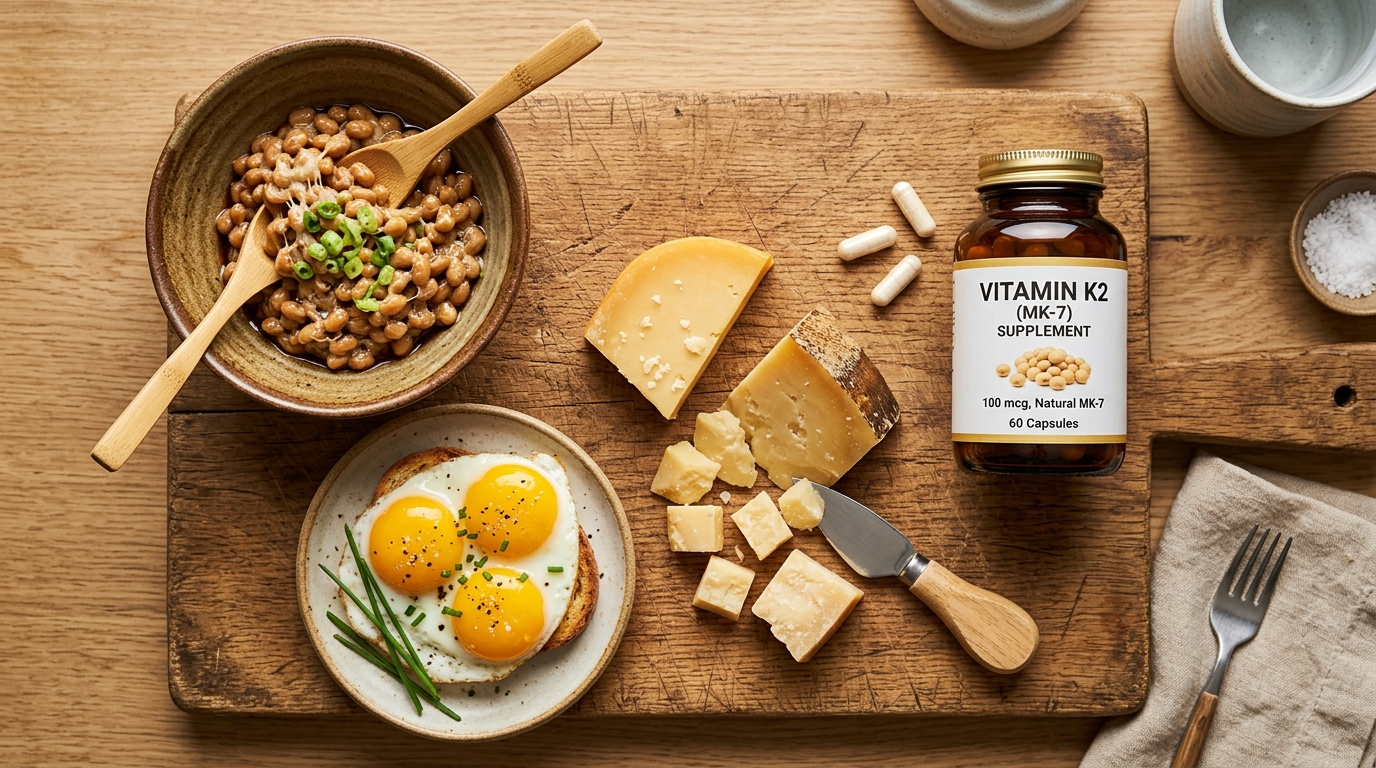
As we navigate our golden years, maintaining strong bones and a healthy heart becomes increasingly important. While calcium and vitamin D often take center stage, there's another essential nutrient that deserves our attention: vitamin K2. Often overlooked, this powerful vitamin plays a crucial role in directing calcium to where it belongs – our bones and teeth – and keeping it away from where it doesn't – our arteries and soft tissues. Let's delve into the world of vitamin K2 and discover how it can be the missing link to a healthier, more vibrant you.
What is Vitamin K2?
Vitamin K is a group of fat-soluble vitamins that are essential for blood clotting. Vitamin K1 (phylloquinone) is primarily involved in this process. Vitamin K2 (menaquinone), on the other hand, has a broader range of functions, particularly related to bone and cardiovascular health. It activates proteins that regulate calcium deposition in the body. Think of vitamin K2 as a traffic controller, directing calcium to the right destinations.
The Two Main Forms of Vitamin K2
Vitamin K2 comes in several forms, the most important being MK-4 and MK-7.
- MK-4 (Menaquinone-4): This form is found in animal products like meat, eggs, and dairy. It has a short half-life in the body, meaning it's quickly absorbed and eliminated.
- MK-7 (Menaquinone-7): This form is found in fermented foods like natto (fermented soybeans). MK-7 has a much longer half-life, staying in the body for a longer period and providing sustained benefits.
The Benefits of Vitamin K2 for Seniors
As we age, our bodies undergo various changes that can impact bone and heart health. Vitamin K2 can play a vital role in mitigating these changes.
Bone Health
Osteoporosis, a condition characterized by weakened bones, is a major concern for seniors. Vitamin K2 activates osteocalcin, a protein that helps bind calcium to bones, increasing bone density and reducing the risk of fractures. A study published in the American Journal of Clinical Nutrition found that vitamin K2 supplementation significantly reduced the risk of vertebral fractures in postmenopausal women [1]. The NIH (National Institutes of Health) also highlights the importance of Vitamin K for bone health, especially as we age.
Heart Health
Vitamin K2 helps prevent calcium from accumulating in the arteries, a process that can lead to atherosclerosis (hardening of the arteries) and increase the risk of heart disease. It activates matrix GLA protein (MGP), which inhibits calcium deposition in soft tissues. According to the Mayo Clinic, maintaining healthy arteries is crucial for preventing heart attacks and strokes. Research suggests that adequate vitamin K2 intake is associated with a lower risk of coronary heart disease [2].
Other Potential Benefits
- Brain Health: Some studies suggest that vitamin K2 may play a role in protecting against age-related cognitive decline, though more research is needed.
- Dental Health: By directing calcium to the teeth, vitamin K2 may contribute to stronger teeth and reduced risk of cavities.
How to Get Enough Vitamin K2
Now that you understand the importance of vitamin K2, let's explore how to ensure you're getting enough of it.
Dietary Sources
- Natto: This fermented soybean dish is the richest source of MK-7. However, its strong flavor and smell may not appeal to everyone.
- Animal Products: Grass-fed butter, egg yolks, and organ meats (like liver) contain MK-4.
- Fermented Foods: Some cheeses and other fermented foods contain small amounts of vitamin K2.
Supplementation
If you struggle to obtain enough vitamin K2 through diet alone, supplementation can be a viable option. Look for supplements containing MK-7, as it has a longer half-life and provides more sustained benefits. Harvard Medical School advises consulting with your doctor before starting any new supplement regimen. The recommended dosage typically ranges from 90 to 120 mcg per day, but it's best to discuss your individual needs with your healthcare provider.
Things to Consider
- Vitamin D Synergy: Vitamin K2 works synergistically with vitamin D to regulate calcium metabolism. Taking both vitamins together can enhance their benefits for bone and heart health.
- Warfarin Interaction: If you're taking warfarin (a blood thinner), it's crucial to talk to your doctor before taking vitamin K2 supplements, as vitamin K can interfere with the medication's effectiveness.
- Other Medications: Always inform your doctor about all the medications and supplements you are taking to avoid potential interactions.
Practical Tips for Incorporating Vitamin K2 into Your Routine
Here are some actionable steps you can take today to boost your vitamin K2 intake:
- Try Natto: If you're feeling adventurous, give natto a try. Start with a small portion and see if you can acquire a taste for it.
- Choose Grass-Fed Dairy: Opt for grass-fed butter and cheese, as they contain higher levels of vitamin K2.
- Include Egg Yolks: Don't skip the yolks! They're a good source of vitamin K2 and other essential nutrients.
- Consider a Supplement: If you're not getting enough vitamin K2 from your diet, talk to your doctor about whether a supplement is right for you.
- Pair with Vitamin D: Ensure you're also getting enough vitamin D, either through sunlight exposure, diet, or supplementation.
Key Takeaways
- Vitamin K2 is essential for directing calcium to bones and teeth and preventing its accumulation in arteries.
- MK-7, found in fermented foods like natto, has a longer half-life and may be more effective than MK-4.
- Vitamin K2 can help improve bone density and reduce the risk of fractures, especially in postmenopausal women.
- Adequate vitamin K2 intake is associated with a lower risk of heart disease.
- Consult with your doctor before starting vitamin K2 supplements, especially if you're taking warfarin or other medications.
[1] Sato, Y., et al. (2009). Vitamin K2 and risk of fracture: a meta-analysis of randomised controlled trials. American Journal of Clinical Nutrition, 89(5), 1479-1487.
[2] Geleijnse, J. M., et al. (2004). Dietary intake of menaquinone is associated with a reduced risk of coronary heart disease: the Rotterdam Study. Journal of Nutrition, 134(11), 3100-3105.
Vitamin K2 is a vital nutrient that can significantly impact your bone and heart health as you age. By incorporating vitamin K2-rich foods into your diet or considering supplementation, you can take proactive steps towards a healthier and more vibrant future. Remember to consult with your healthcare provider to determine the best approach for your individual needs.
Ready to explore more ways to enhance your vitality? Check out our other articles on supplements, nutrition, and healthy aging on SeniorVitalityHub.blog!

Comments