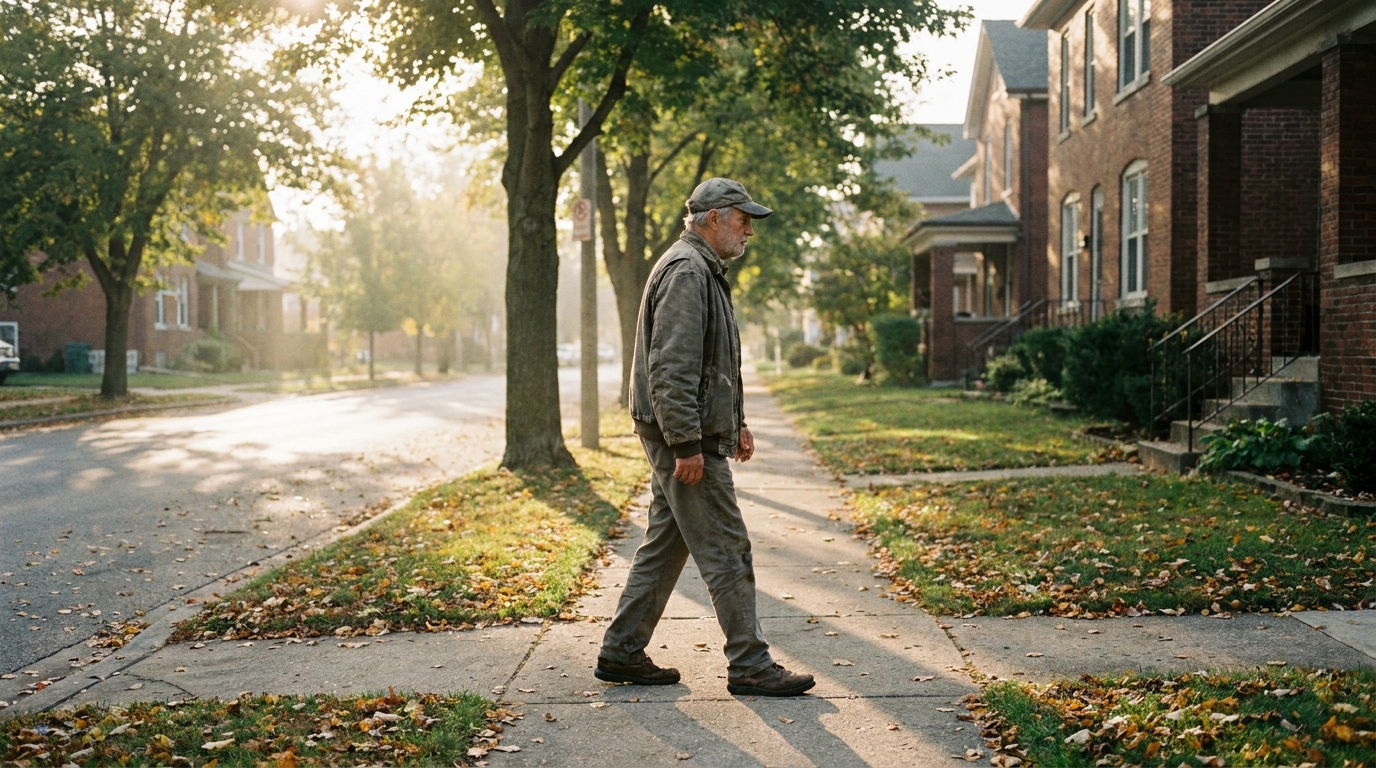
Walking Speed After 60: Why It Matters More Than Distance
For decades, we have been told that hitting a daily step count—like the famous 10,000 steps—is the gold standard for longevity. While moving your body is undeniably vital, emerging research suggests that for those of us over 60, how we walk is just as important as how much we walk. Your walking speed, often referred to by geriatricians as a 'vital sign,' serves as a powerful indicator of your overall health, neurological function, and physical resilience.
The Science of Gait and Longevity
Why does speed matter? It comes down to the complexity of the task. Walking requires the coordinated effort of your brain, heart, lungs, circulatory system, and musculoskeletal system. When you move at a brisk pace, you are essentially asking your body to integrate all these systems efficiently.
A landmark study published in JAMA Internal Medicine revealed that faster walking speeds are associated with a lower risk of mortality among older adults. Researchers found that those who walked at a brisk pace—defined as roughly 3 miles per hour—demonstrated better cardiovascular health and cognitive function compared to their slower-moving peers.
The "Vital Sign" Concept
According to the Cleveland Clinic, gait speed is increasingly being used by clinicians to assess an older patient’s risk for falls, frailty, and cognitive decline. Because maintaining a brisk pace requires balance, muscle strength, and cognitive processing, a noticeable slowdown can often be an early warning sign that something in the system needs attention, whether it be joint pain, muscle atrophy, or metabolic changes.
Why Distance Isn't Everything
Many of us fall into the trap of "slow strolling." While a leisurely walk is wonderful for mental health and stress relief, it doesn't provide the same physiological demand required to maintain aerobic capacity. Harvard Medical School research indicates that moderate-to-vigorous intensity exercise—which includes brisk walking—is essential for keeping the heart muscle strong and improving insulin sensitivity as we age.
If you walk for an hour at a very slow pace, you are burning calories, but you aren't necessarily challenging your heart or your neuromuscular system in a way that builds "biological reserve." Think of your walking speed as a measure of your body's efficiency; the faster you can walk comfortably, the more "reserve" you have to draw upon for daily activities like carrying groceries, climbing stairs, or catching a bus.
How to Safely Increase Your Pace
You don't need to turn into an Olympic racewalker to reap these benefits. The goal is to find your personal "brisk"—a pace where you can still carry on a conversation, but you’d rather not, because you're slightly breathless.
Practical Tips to Start Today
- The "Interval" Technique: During your next walk, try walking at your normal pace for three minutes, then pick up the speed for one minute. Repeat this cycle four or five times.
- Focus on Posture: Stand tall, keep your chin parallel to the ground, and engage your core. Good posture allows for a longer stride and more efficient movement.
- Check Your Footwear: Ensure your shoes provide adequate arch support and cushioning. Discomfort is the biggest deterrent to maintaining a brisk walking pace.
- Monitor Your Progress: Use a smartphone app or a simple stopwatch to track how long it takes you to walk a quarter-mile. Aim to shave a few seconds off that time over the course of a month.
Before beginning any new exercise intensity program, consult with your primary care physician, especially if you have a history of heart disease or balance issues. The National Council on Aging (NCOA) emphasizes that safety is paramount; always ensure your path is clear of tripping hazards before attempting to increase your speed.
Key Takeaways
- Speed as a Vital Sign: Your walking speed is a strong predictor of long-term health and physical independence.
- Quality Over Quantity: While step counts are useful, a brisk pace offers superior cardiovascular benefits compared to a slow, long-distance stroll.
- Interval Training Works: Incorporating short bursts of faster walking into your routine can improve your aerobic capacity safely.
- Listen to Your Body: Increase your intensity gradually. The goal is to reach a pace where you feel moderately challenged but still comfortable.
Your walking speed is not just a metric; it is a reflection of your vitality. By making small, intentional changes to your daily walks, you are investing in your future mobility and independence. Ready to take the next step in your wellness journey? Explore our library of articles on Nutrition for Longevity and Strength Training for Seniors to build a complete foundation for your vibrant future.

Comments