As we age, our bodies change, and so do our nutritional needs. One area that often raises questions for seniors is iron. Are iron supplements necessary? Are they safe? This article will explore when seniors actually need iron supplements, helping you make informed decisions about your health.
What Does Iron Do in the Body?
Iron is an essential mineral that plays a vital role in many bodily functions. Its primary function is to carry oxygen in the hemoglobin of red blood cells from the lungs to all parts of the body. Iron is also part of myoglobin, a protein that provides oxygen to muscles. Beyond oxygen transport, iron is needed for growth, development, and cellular function. It's also crucial for making hormones and connective tissue.
Why is Iron Important for Seniors?
For seniors, maintaining adequate iron levels is particularly important for several reasons. Iron deficiency can lead to fatigue, weakness, cognitive impairment, and a weakened immune system. These symptoms can significantly impact quality of life and increase the risk of illness and falls. According to the National Institutes of Health (NIH), iron deficiency anemia is more common in older adults due to factors such as decreased dietary intake, impaired absorption, and chronic diseases.
When Iron Supplements Might Be Necessary
It's important to note that not all seniors need iron supplements. In fact, excessive iron intake can be harmful. The best approach is to determine if a deficiency exists before starting supplementation.
Diagnosed Iron Deficiency Anemia
The most common reason for needing iron supplements is a diagnosis of iron deficiency anemia. This condition occurs when the body doesn't have enough iron to produce adequate red blood cells. Symptoms may include fatigue, pale skin, shortness of breath, dizziness, and headaches. A blood test, typically ordered by a doctor, is the only way to definitively diagnose iron deficiency anemia. If diagnosed, your doctor will likely recommend iron supplements, along with dietary changes.
Certain Medical Conditions
Certain medical conditions can increase the risk of iron deficiency. These include:
- Chronic Kidney Disease: Kidney disease can interfere with the production of erythropoietin, a hormone that stimulates red blood cell production.
- Heart Failure: Studies have shown a link between iron deficiency and heart failure. Iron deficiency can worsen heart failure symptoms and outcomes.
- Gastrointestinal Disorders: Conditions like Crohn's disease, ulcerative colitis, and celiac disease can impair iron absorption in the gut.
- Cancer: Some cancers and cancer treatments can lead to iron deficiency.
If you have any of these conditions, talk to your doctor about whether you should be screened for iron deficiency. Harvard Medical School advises regular checkups for individuals with these pre-existing conditions.
Medications
Certain medications can also interfere with iron absorption or increase the risk of blood loss, potentially leading to iron deficiency. Nonsteroidal anti-inflammatory drugs (NSAIDs) like ibuprofen and aspirin can cause gastrointestinal bleeding, while proton pump inhibitors (PPIs) used to treat acid reflux can reduce iron absorption. If you are taking these medications regularly, discuss with your doctor whether iron supplementation is appropriate.
Dietary Restrictions
Seniors who follow restrictive diets, such as vegan or vegetarian diets, may be at higher risk of iron deficiency if they don't carefully plan their meals. Iron from plant-based sources (non-heme iron) is not as easily absorbed as iron from animal sources (heme iron). According to AARP, vegetarians should consume almost twice as much iron as non-vegetarians to compensate for the lower absorption rate.
Risks of Taking Iron Supplements Unnecessarily
While iron is essential, taking iron supplements when you don't need them can be harmful. Iron overload, also known as hemochromatosis, can damage organs such as the liver, heart, and pancreas. Symptoms of iron overload may include joint pain, fatigue, abdominal pain, and liver problems. The Cleveland Clinic emphasizes that iron supplements should only be taken under medical supervision to avoid these risks.
How to Increase Iron Intake Through Diet
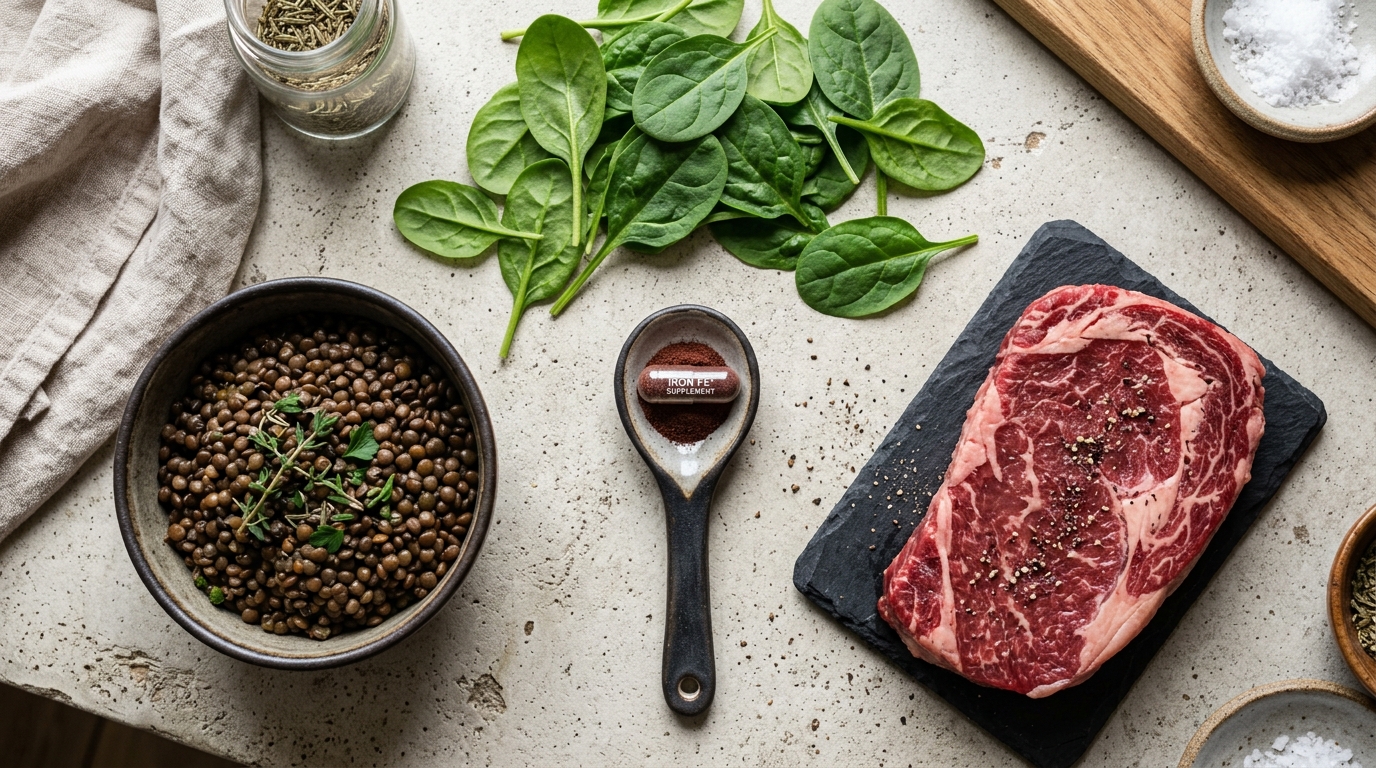
Before resorting to supplements, consider increasing your iron intake through diet. Here are some iron-rich foods to include in your meals:
- Red Meat: Beef, lamb, and pork are excellent sources of heme iron.
- Poultry: Chicken and turkey provide a good amount of iron.
- Seafood: Oysters, clams, and mussels are particularly rich in iron.
- Fortified Cereals: Many breakfast cereals are fortified with iron.
- Beans and Lentils: These are good sources of non-heme iron.
- Spinach and Other Leafy Greens: While spinach contains iron, it also contains compounds that can inhibit absorption, so it's best to consume it with vitamin C-rich foods.
- Dried Fruits: Raisins, apricots, and prunes contain iron.
Tips to Enhance Iron Absorption
To maximize iron absorption, consider these tips:
- Combine Iron-Rich Foods with Vitamin C: Vitamin C enhances the absorption of non-heme iron. Eat citrus fruits, strawberries, or bell peppers with your iron-rich meals.
- Avoid Drinking Tea or Coffee with Meals: Tannins in tea and coffee can inhibit iron absorption.
- Cook in Cast Iron Cookware: Cooking acidic foods like tomato sauce in cast iron pots can increase the iron content of the food.
Key Takeaways
- Iron is essential for oxygen transport, energy production, and overall health, especially for seniors.
- Iron supplements should only be taken if you have been diagnosed with iron deficiency anemia or have a medical condition that increases your risk of deficiency.
- Excessive iron intake can be harmful, leading to iron overload and organ damage.
- Prioritize iron-rich foods in your diet, such as red meat, poultry, seafood, beans, and fortified cereals.
- Enhance iron absorption by combining iron-rich foods with vitamin C and avoiding tea or coffee with meals.
Actionable Tips
- Talk to Your Doctor: If you suspect you may be iron deficient, schedule an appointment with your doctor for a blood test.
- Review Your Medications: Discuss any medications you are taking with your doctor to see if they could be affecting your iron levels.
- Assess Your Diet: Evaluate your current diet and identify ways to incorporate more iron-rich foods.
- Plan Your Meals: Create a meal plan that includes iron-rich foods and vitamin C to enhance absorption.
Making informed decisions about iron supplementation is crucial for maintaining your health and well-being as a senior. Always consult with your doctor before starting any new supplements. Explore our other articles on SeniorVitalityHub.blog for more tips on healthy aging!

Comments