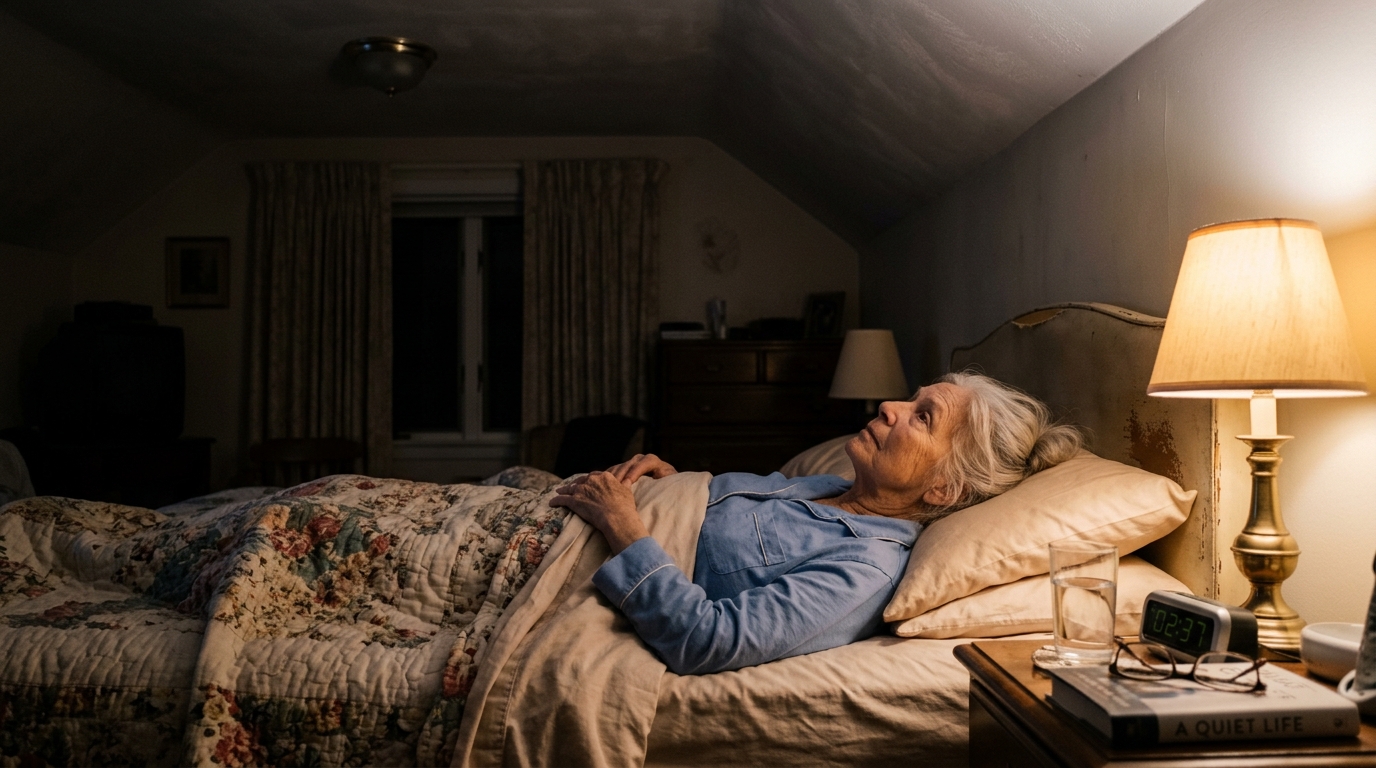
Why Sleep Gets Harder After 60 (And Proven Fixes)
As we gracefully age, many of us find that sleep, once a dependable nightly ritual, becomes increasingly elusive. Tossing and turning, waking up frequently, or simply struggling to fall asleep can become frustratingly common. If you're over 60 and struggling to get a good night's rest, you're certainly not alone. But the good news is that understanding *why* this happens is the first step toward finding effective solutions.
The Shifting Sands of Sleep: What Changes After 60?
Several factors contribute to the changes in sleep patterns that often accompany aging. It's a complex interplay of biological, psychological, and lifestyle elements.
1. Changes in Circadian Rhythm
Our internal body clock, or circadian rhythm, regulates our sleep-wake cycle. As we age, this clock tends to weaken, leading to a shift in sleep timing. You might find yourself feeling sleepy earlier in the evening and waking up earlier in the morning. According to Harvard Medical School, the circadian rhythm's amplitude decreases with age, making it less effective at regulating sleep.
2. Reduced Melatonin Production
Melatonin, a hormone that promotes sleepiness, naturally declines with age. This decrease can make it harder to fall asleep and stay asleep. The National Institutes of Health (NIH) notes that melatonin production peaks in early adulthood and gradually declines thereafter.
3. Increased Prevalence of Medical Conditions
Many medical conditions that become more common with age, such as arthritis, heart disease, diabetes, and prostate issues, can disrupt sleep. Pain, discomfort, frequent urination, and other symptoms can make it difficult to sleep soundly. A study published in the journal *Sleep* found a strong correlation between chronic medical conditions and sleep disturbances in older adults.
4. Medication Side Effects
Older adults often take multiple medications, and some of these can interfere with sleep. Common culprits include diuretics (which can cause nighttime urination), antidepressants, and certain pain relievers. Always discuss potential side effects with your doctor or pharmacist.
5. Psychological Factors
Stress, anxiety, and depression can significantly impact sleep quality at any age, but these issues can be particularly prevalent in older adults due to factors like retirement, loss of loved ones, or health concerns. The AARP reports that loneliness and social isolation can also contribute to sleep problems in seniors.
Proven Fixes: Reclaiming Your Restful Nights
While age-related sleep changes are common, they don't have to be a life sentence of sleepless nights. Here are some evidence-based strategies to help you improve your sleep:
1. Optimize Your Sleep Environment
- Keep it dark, quiet, and cool: Aim for a bedroom temperature between 60 and 67 degrees Fahrenheit. Use blackout curtains or an eye mask to block out light, and earplugs or a white noise machine to minimize noise.
- Invest in a comfortable mattress and pillows: Make sure your bed provides adequate support and comfort. Replace your mattress every 7-10 years, and your pillows every 1-2 years.
2. Establish a Consistent Sleep Schedule
Go to bed and wake up at the same time every day, even on weekends, to help regulate your circadian rhythm. The Cleveland Clinic emphasizes the importance of consistency for optimal sleep.
3. Practice Relaxation Techniques
- Deep breathing exercises: Try inhaling deeply through your nose, holding for a few seconds, and exhaling slowly through your mouth.
- Progressive muscle relaxation: Tense and release different muscle groups in your body, starting with your toes and working your way up to your head.
- Meditation or mindfulness: Focus on your breath or a specific object to calm your mind.
4. Review and Adjust Your Diet
- Limit caffeine and alcohol: Avoid caffeine after lunchtime, as its stimulating effects can last for several hours. Limit alcohol consumption, especially close to bedtime, as it can disrupt sleep later in the night.
- Avoid large meals before bed: Give your body time to digest your food before lying down.
- Stay hydrated: Drink plenty of water during the day, but limit fluids before bed to reduce nighttime trips to the bathroom.
5. Increase Daytime Physical Activity
Regular exercise can improve sleep quality, but avoid vigorous workouts close to bedtime. A gentle walk or stretching in the evening can be beneficial. According to the National Council on Aging (NCOA), even light physical activity can make a difference.
6. Consider Light Therapy
Exposure to bright light in the morning can help regulate your circadian rhythm. If you don't get enough natural sunlight, consider using a light therapy box. Consult with your doctor before starting light therapy, especially if you have any eye conditions.
7. Talk to Your Doctor
If your sleep problems persist despite trying these strategies, talk to your doctor. They can help identify any underlying medical conditions or medication side effects that may be contributing to your sleep difficulties. They can also discuss other treatment options, such as cognitive behavioral therapy for insomnia (CBT-I).
Key Takeaways
- Sleep changes are common after 60 due to shifts in circadian rhythm, reduced melatonin, and increased prevalence of medical conditions.
- Optimizing your sleep environment, establishing a consistent sleep schedule, and practicing relaxation techniques can improve sleep quality.
- Limiting caffeine and alcohol, avoiding large meals before bed, and increasing daytime physical activity can also promote better sleep.
- If your sleep problems persist, talk to your doctor to rule out underlying medical conditions and explore treatment options.
- Small changes can lead to big improvements in your sleep. Start implementing one or two strategies today!
Sweet dreams are within reach! By understanding the factors that affect sleep as we age and implementing these proven fixes, you can reclaim your restful nights and wake up feeling refreshed and revitalized.
Want to learn more ways to enhance your vitality? Check out our other articles on healthy aging and wellness!

Comments