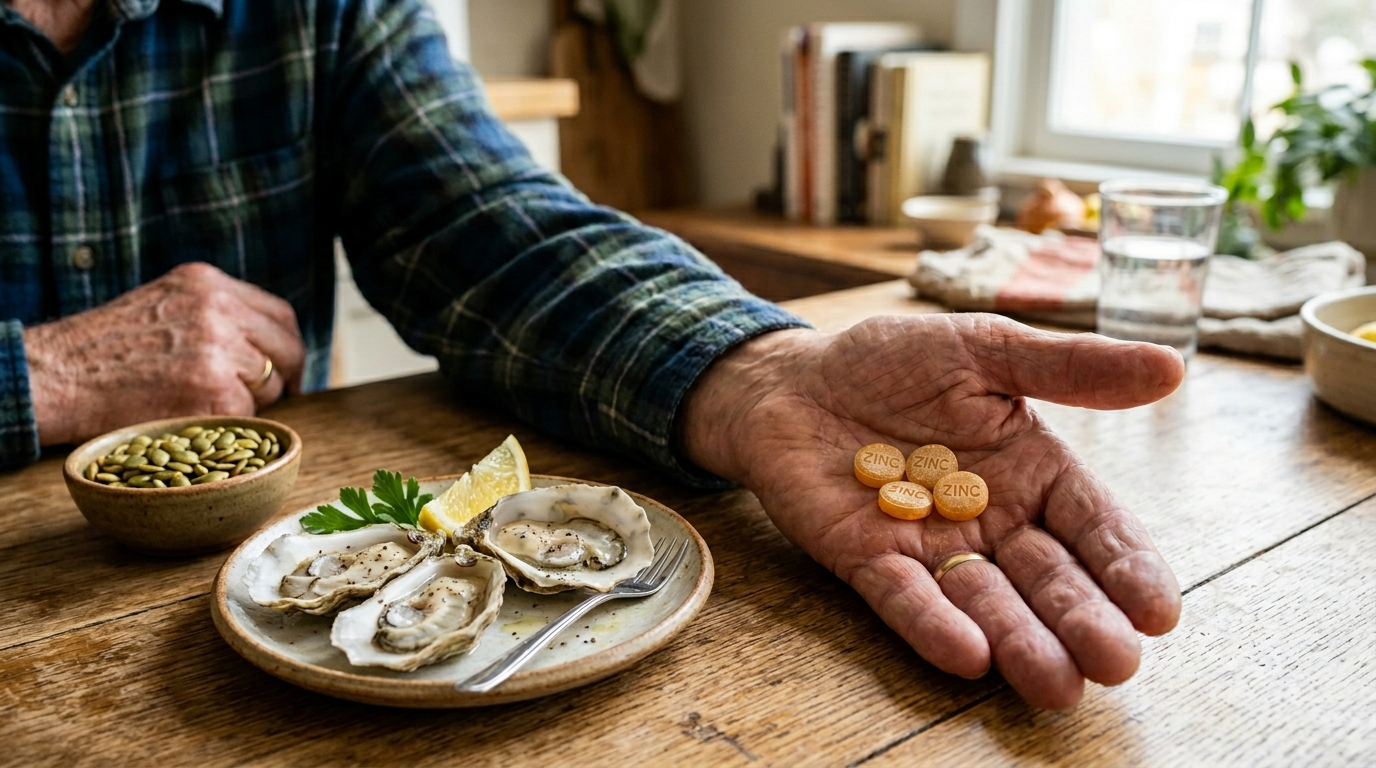
As we gracefully navigate our golden years, maintaining optimal health becomes paramount. Among the many essential nutrients, zinc often flies under the radar. Yet, for those of us over 60, zinc plays a vital role in supporting our immune system, promoting wound healing, and contributing to overall well-being. Let's delve into the importance of zinc and how to ensure we're getting enough.
Why Zinc Matters After 60
Zinc is an essential mineral involved in numerous bodily functions. It acts as a key player in immune function, DNA synthesis, cell division, and enzyme activity. However, as we age, our bodies may not absorb zinc as efficiently, and certain medications can interfere with its absorption. This can lead to zinc deficiency, which can have significant health implications.
Immune Function Support
A robust immune system is crucial for warding off infections and illnesses, especially as we get older. Zinc is a critical component of immune cell development and function. According to the National Institutes of Health (NIH), zinc deficiency can impair immune cell function, increasing the risk of infections like pneumonia and the flu. Studies have shown that zinc supplementation can help boost immune responses in older adults, reducing the duration and severity of colds and other respiratory infections.
Wound Healing Promotion
Wound healing tends to slow down with age, making even minor cuts and scrapes a concern. Zinc plays a vital role in tissue repair and collagen synthesis, both essential for wound closure. A deficiency in zinc can delay wound healing and increase the risk of complications. The Cleveland Clinic notes that adequate zinc intake can help accelerate the healing process and improve overall skin health. Furthermore, individuals with chronic conditions like diabetes, which can impair wound healing, may particularly benefit from ensuring sufficient zinc levels.
Other Health Benefits
Beyond immune support and wound healing, zinc contributes to several other aspects of healthy aging:
- Cognitive Function: Zinc is involved in neurotransmitter function and may help protect against age-related cognitive decline.
- Vision Health: Zinc is concentrated in the retina and plays a role in maintaining healthy vision. The AARP reports that zinc, in combination with other antioxidants, can slow the progression of age-related macular degeneration (AMD).
- Taste and Smell: Zinc is essential for maintaining a sharp sense of taste and smell, which can decline with age. Loss of these senses can affect appetite and nutritional intake.
Are You Getting Enough Zinc?
The recommended daily allowance (RDA) of zinc for adults over 60 is 11 mg for men and 8 mg for women. However, individual needs may vary depending on health status and medication use. It's essential to be aware of the signs of zinc deficiency, which can include:
- Frequent infections
- Slow wound healing
- Loss of appetite
- Impaired taste and smell
- Skin problems
- Diarrhea
If you suspect you may be deficient in zinc, it's best to consult with your healthcare provider for proper diagnosis and guidance.
How to Boost Your Zinc Intake
Fortunately, increasing your zinc intake can be achieved through dietary modifications and, if necessary, supplementation.
Dietary Sources of Zinc
Many foods are naturally rich in zinc. Incorporating these into your diet can help you meet your daily requirements:
- Oysters: An excellent source of zinc.
- Red Meat: Beef, lamb, and pork are good sources.
- Poultry: Chicken and turkey provide a moderate amount of zinc.
- Beans and Legumes: Chickpeas, lentils, and kidney beans are plant-based sources.
- Nuts and Seeds: Pumpkin seeds, cashews, and almonds are good choices.
- Whole Grains: Fortified cereals, whole wheat bread, and brown rice contain zinc.
- Dairy Products: Milk, yogurt, and cheese provide some zinc.
Zinc Supplements: Are They Right for You?
If you're unable to obtain enough zinc through diet alone, a supplement may be beneficial. However, it's crucial to consult with your doctor or a registered dietitian before starting any new supplement regimen. According to Harvard Medical School, high doses of zinc can interfere with the absorption of other minerals, such as copper, and may have adverse effects. Choose a reputable brand and follow the recommended dosage. Zinc supplements come in various forms, including zinc gluconate, zinc sulfate, and zinc picolinate. Some research suggests that zinc picolinate may be better absorbed than other forms.
Practical Tips for Today
Here are a few actionable steps you can take today to improve your zinc intake:
- Plan a zinc-rich meal: Include foods like lean beef, chicken, or lentils in your lunch or dinner.
- Snack on nuts and seeds: Keep a small bag of pumpkin seeds or cashews handy for a healthy and zinc-boosting snack.
- Read food labels: Check the zinc content of fortified cereals and other packaged foods.
- Consult your doctor: Discuss your zinc intake and whether supplementation is right for you, especially if you have underlying health conditions or are taking medications.
Key Takeaways
- Zinc is essential for immune function, wound healing, and overall health in older adults.
- Age-related changes and certain medications can increase the risk of zinc deficiency.
- Include zinc-rich foods like red meat, poultry, beans, nuts, and seeds in your diet.
- Talk to your doctor before taking zinc supplements to determine the appropriate dosage and avoid potential interactions.
- Be mindful of the signs of zinc deficiency and seek medical advice if you suspect you may be deficient.
Prioritizing zinc intake is a proactive step towards maintaining optimal health and vitality as we age. By making informed choices about our diet and consulting with healthcare professionals, we can ensure we're getting the zinc we need to thrive.
Ready to learn more about essential nutrients for healthy aging? Explore our other articles on SeniorVitalityHub.blog today!

Comments