This Forgotten Muscle Is the Real Reason Seniors Fall
When we talk about balance and fall prevention, the conversation almost always shifts to leg strength. We hear about squats, lunges, and the importance of strong quadriceps. While those are undeniably important, there is a "forgotten" muscle group that acts as the unsung hero of your stability: the gluteus medius. Located on the side of your hip, this muscle is the primary stabilizer of your pelvis. When it weakens, your gait falters, your posture tilts, and your risk of a life-altering fall increases significantly.
Why Your Hips Hold the Key to Stability
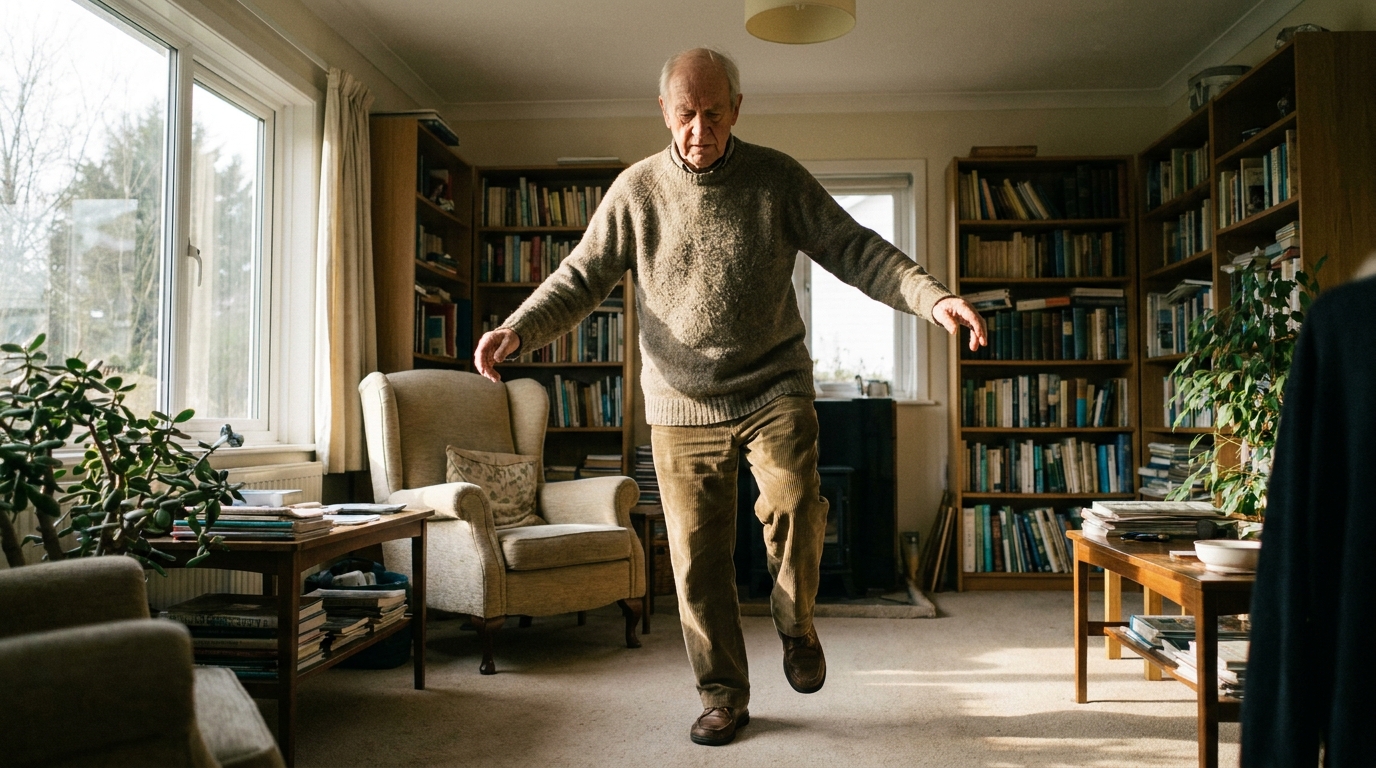
Many seniors mistakenly believe that balance is purely a matter of inner ear health or calf strength. However, the gluteus medius is responsible for keeping your pelvis level when you lift one foot off the ground—which is exactly what you do every time you take a step. If this muscle is weak, your hip will drop slightly with every stride, forcing your body to compensate with a "waddling" gait. This instability is a major precursor to tripping.
According to the Mayo Clinic, hip stability is a foundational element of functional movement in aging adults. When the gluteus medius is neglected, it doesn't just affect walking; it affects your ability to navigate uneven surfaces, climb stairs, and recover your footing if you stumble.
The Science of Hip Strength and Fall Risk
Research consistently highlights the link between hip abductor strength and mobility. A study published in the Journal of Gerontology found that older adults with higher hip abductor strength demonstrated significantly better balance control and a lower incidence of self-reported falls over a two-year period. This isn't just about looking fit; it is about maintaining the structural integrity of your kinetic chain.
Furthermore, Harvard Medical School research indicates that as we age, we tend to experience "sarcopenia"—the natural loss of muscle mass—which disproportionately affects the stabilizing muscles of the hips and core. By intentionally targeting the gluteus medius, you are essentially fortifying your body’s natural shock absorbers, making you more resilient against the daily hazards that cause falls.
How to Wake Up Your Gluteus Medius
You don't need a gym membership or heavy equipment to start strengthening this area. The best exercises for the gluteus medius are low-impact and can be done in your living room. The National Council on Aging (NCOA) suggests incorporating functional movements that mimic daily life to ensure safety and efficacy.
1. The Standing Hip Abduction
Stand behind a sturdy chair for support. Keep your back straight and your core engaged. Slowly lift your right leg out to the side, keeping your toes pointed forward. Do not lean your torso to the left; stay upright. Lower it back down with control. Perform 10 repetitions per side. This simple movement directly targets the muscle responsible for pelvic stability.
2. The Clamshell
Lie on your side with your knees bent at a 45-degree angle. Keep your feet touching and slowly lift your top knee as high as you can without rotating your hips. Pause for a second at the top, then lower it. This is a gold-standard exercise for isolating the gluteus medius without putting stress on your spine.
Key Takeaways for Better Balance
- Focus on the side: The gluteus medius is your primary stabilizer; don't just train your quadriceps.
- Consistency over intensity: Perform these gentle strengthening exercises 3-4 times a week rather than one heavy session.
- Check your gait: If you notice yourself swaying or waddling, it is a sign that your hip stabilizers need attention.
- Safety first: Always use a chair or wall for support when performing balance exercises to prevent the very falls you are trying to avoid.
A Holistic Approach to Longevity
Strengthening your hips is only one piece of the puzzle. The Cleveland Clinic emphasizes that a comprehensive fall-prevention strategy should also include regular vision checks, a review of your medications to check for side effects like dizziness, and ensuring your home is free of tripping hazards like loose rugs. By combining physical strengthening with environmental awareness, you are taking proactive control of your independence.
Remember, the goal is not to become a bodybuilder, but to remain a capable, mobile adult who can move through the world with confidence. Your body is capable of adapting and strengthening at any age—it just needs the right focus.
Ready to take the next step in your mobility journey? Explore our library of SeniorVitalityHub articles to learn more about safe at-home exercises, nutrition for muscle retention, and home safety modifications to keep you moving with confidence.

Comments