
Why Do I Feel Unsteady When Walking?
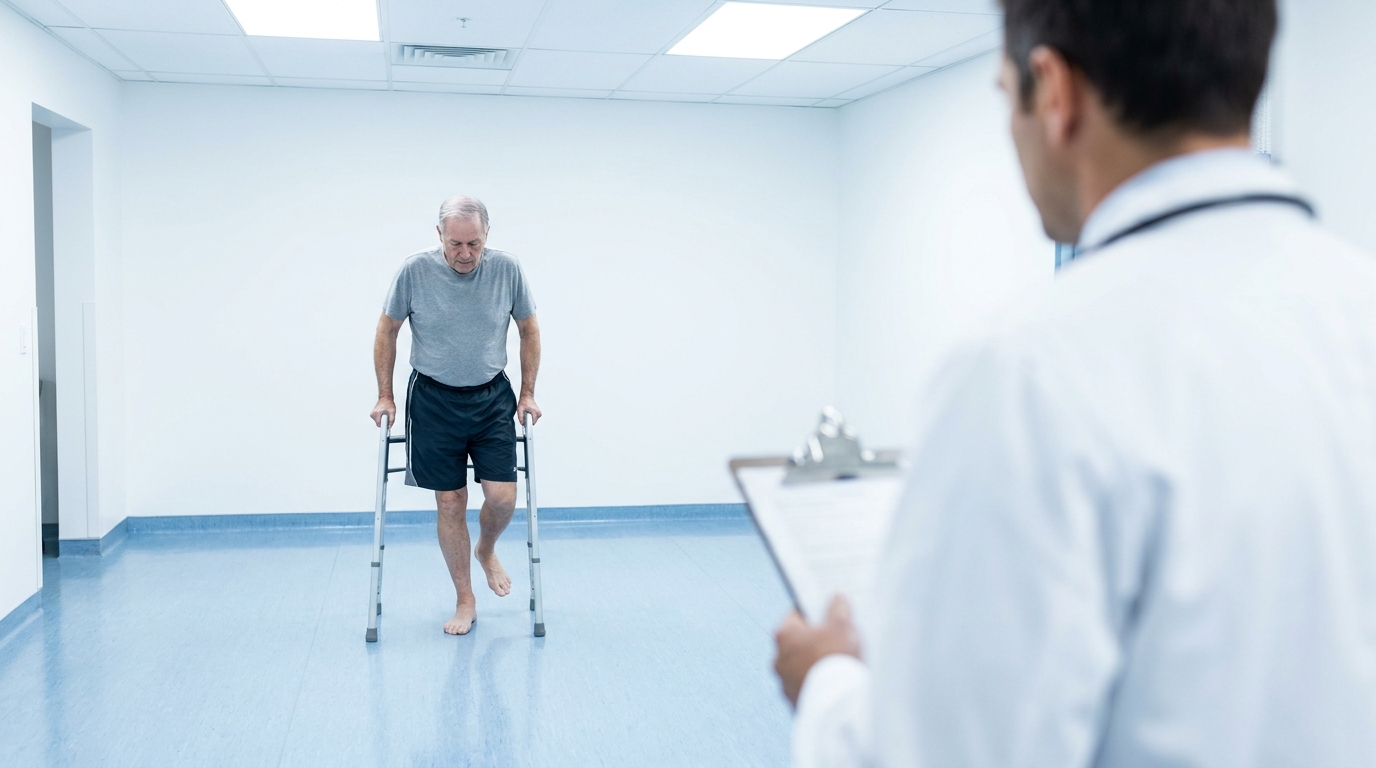
If you have noticed a subtle shift in your balance—perhaps a slight wobble when stepping off a curb or a feeling of being 'off-kilter' during your morning walk—you are certainly not alone. Feeling unsteady, often described by medical professionals as gait instability, is a common concern for adults over 60. While it is easy to dismiss as just 'a part of getting older,' understanding the underlying causes is the first step toward reclaiming your confidence and mobility.
Understanding the Mechanics of Balance
Balance is not a single function; it is a complex symphony performed by your brain, your eyes, your inner ear, and your muscles. According to the Mayo Clinic, balance is maintained through a process called proprioception—the body’s ability to sense its position in space. As we age, the sensory input from our nerves, joints, and vision can become less precise, making it harder for the brain to coordinate movement effectively.
Common Causes of Gait Instability
1. Inner Ear Issues
The vestibular system, located in your inner ear, acts as your body’s internal gyroscope. Conditions like Benign Paroxysmal Positional Vertigo (BPPV) can cause brief, intense episodes of dizziness. Research from Johns Hopkins Medicine suggests that vestibular dysfunction is a leading cause of balance issues in older adults, often triggered by simple head movements.
2. Medication Side Effects
Many seniors take multiple medications, a practice known as polypharmacy. Certain drugs—including blood pressure medications, sedatives, and even some antihistamines—can cause lightheadedness or orthostatic hypotension (a sudden drop in blood pressure when you stand up). Always review your medication list with your doctor to ensure these aren't contributing to your unsteadiness.
3. Vision and Peripheral Neuropathy
Your eyes provide critical data to your brain about your surroundings. If your prescription is outdated, your brain lacks the information it needs to stabilize your stride. Furthermore, peripheral neuropathy—often caused by diabetes or vitamin deficiencies—diminishes the sensation in your feet. If you cannot feel the floor clearly, your brain cannot make the micro-adjustments necessary to keep you upright.
Scientific Insights into Fall Prevention
A 2022 study published in JAMA Internal Medicine emphasized that multi-component exercise programs are the gold standard for improving gait stability. The study highlighted that exercises focusing on strength, balance, and flexibility can reduce fall risk by up to 30% in community-dwelling seniors. Similarly, Harvard Medical School research shows that even modest increases in daily physical activity can improve the connectivity in the brain regions responsible for motor control.
Practical Steps to Improve Your Stability Today
- Check Your Footwear: Ensure your shoes have a low, wide heel and a non-slip sole. Avoid walking in socks or loose slippers on hardwood floors.
- Hydrate Regularly: Dehydration can lead to low blood pressure and dizziness. Aim for consistent water intake throughout the day.
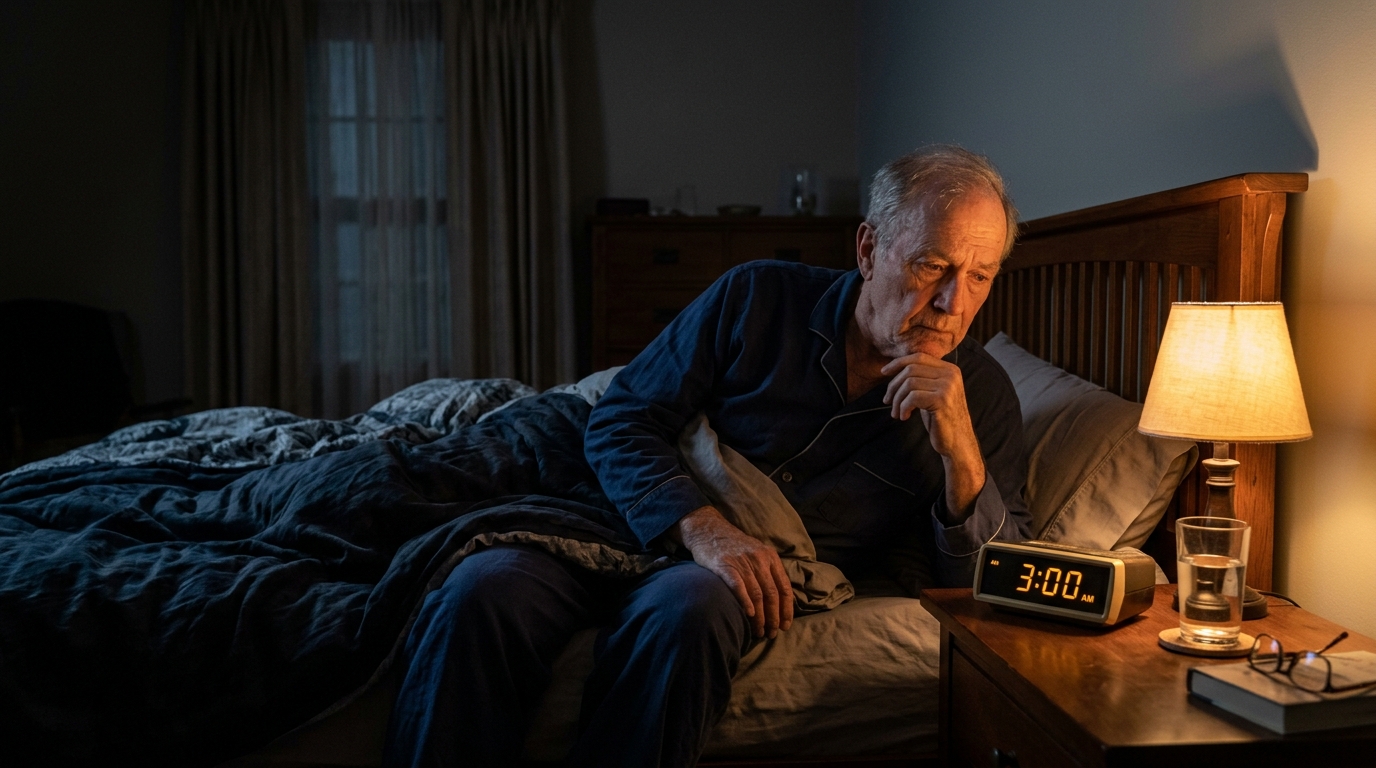
- Light Up Your Path: Install nightlights in hallways and bathrooms. If your brain can't see the floor, it can't protect you from tripping.
- Schedule a Medication Review: Bring a list of all your prescriptions and over-the-counter supplements to your next doctor’s visit to check for interactions that affect balance.
- Incorporate Balance Training: Simple exercises like standing on one leg while holding onto a sturdy kitchen counter for 10 seconds can significantly strengthen your stabilizer muscles.
Key Takeaways
- Identify the Root: Unsteadiness is rarely 'just age'; it is often a symptom of treatable conditions like ear issues, vision changes, or medication side effects.
- Strength is Stability: Regular, gentle resistance training helps maintain the muscle mass required to catch yourself if you trip.
- Consult a Professional: If you experience sudden, severe dizziness or falls, see your primary care physician or a physical therapist for a formal gait assessment.
- Environment Matters: Small home modifications, like removing throw rugs and adding grab bars, drastically reduce the risk of injury.
Your journey toward steadier walking starts with awareness and small, consistent actions. By addressing these factors proactively, you are not just preventing falls—you are ensuring that you remain active, independent, and vital for years to come.
Ready to take the next step? Explore our guide on safe strength training exercises to build the foundation for a more stable, confident walk.

Comments