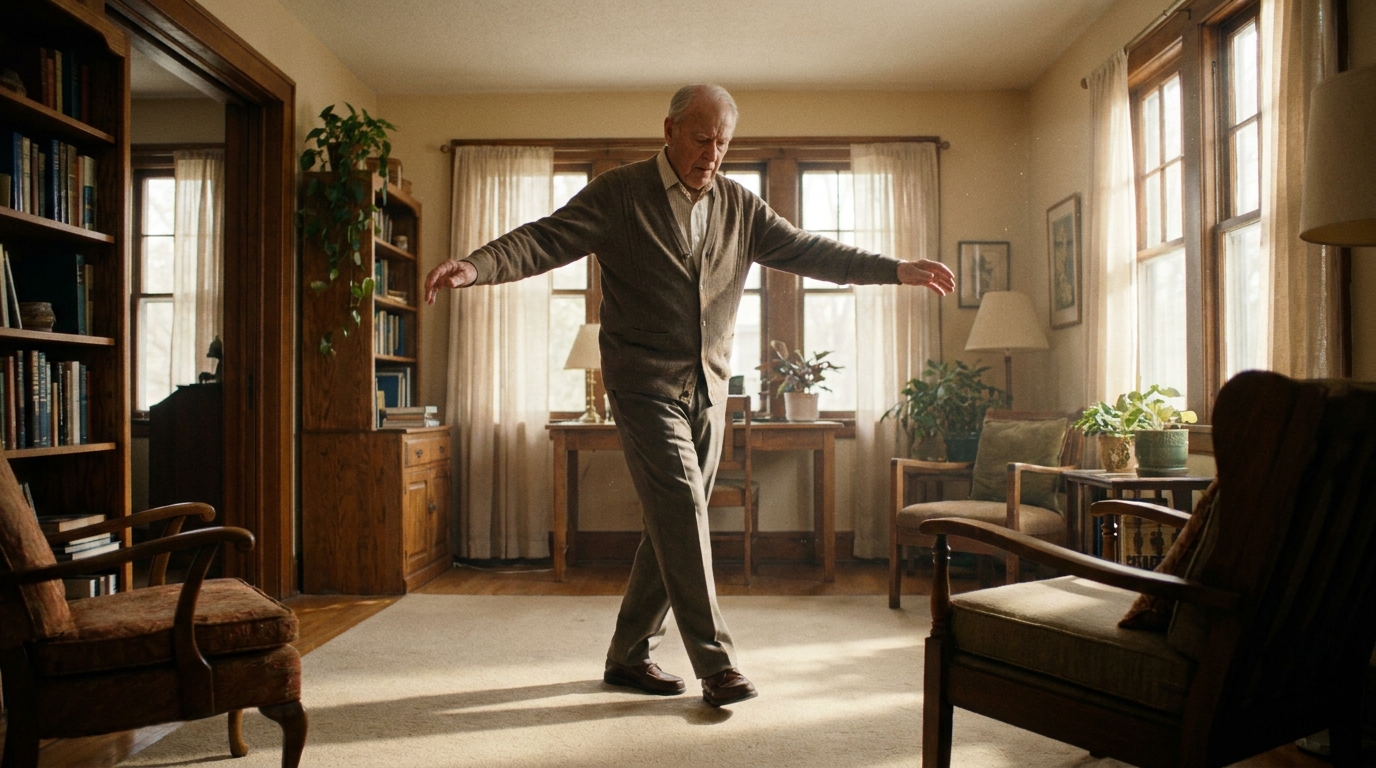
Walking is a wonderful foundation for cardiovascular health, but if your goal is to stay upright, steady, and independent as you age, walking alone simply isn't enough. Many seniors find that while they can walk for miles on a flat path, they still feel a wobble when reaching for a grocery item or navigating an uneven sidewalk. This is because walking is a rhythmic, predictable movement, whereas balance requires constant, micro-adjustments from your core and ankles.
To truly improve your stability, you need to challenge your proprioception—the body’s ability to sense its position in space. Here are five unconventional exercises that engage these systems more effectively than a standard stroll.
1. The 'Clock Reach'
This exercise forces your body to shift its center of gravity in multiple directions, training your brain to recover from off-balance moments. Stand on one leg (keep a chair nearby for safety). Imagine you are standing in the center of a clock face. Using your free leg, reach out to touch 12 o'clock, 3 o'clock, and 6 o'clock. According to the Mayo Clinic, this type of multi-directional movement is essential for preventing falls, as it strengthens the stabilizing muscles in the hips and ankles that are rarely used during forward-only walking.
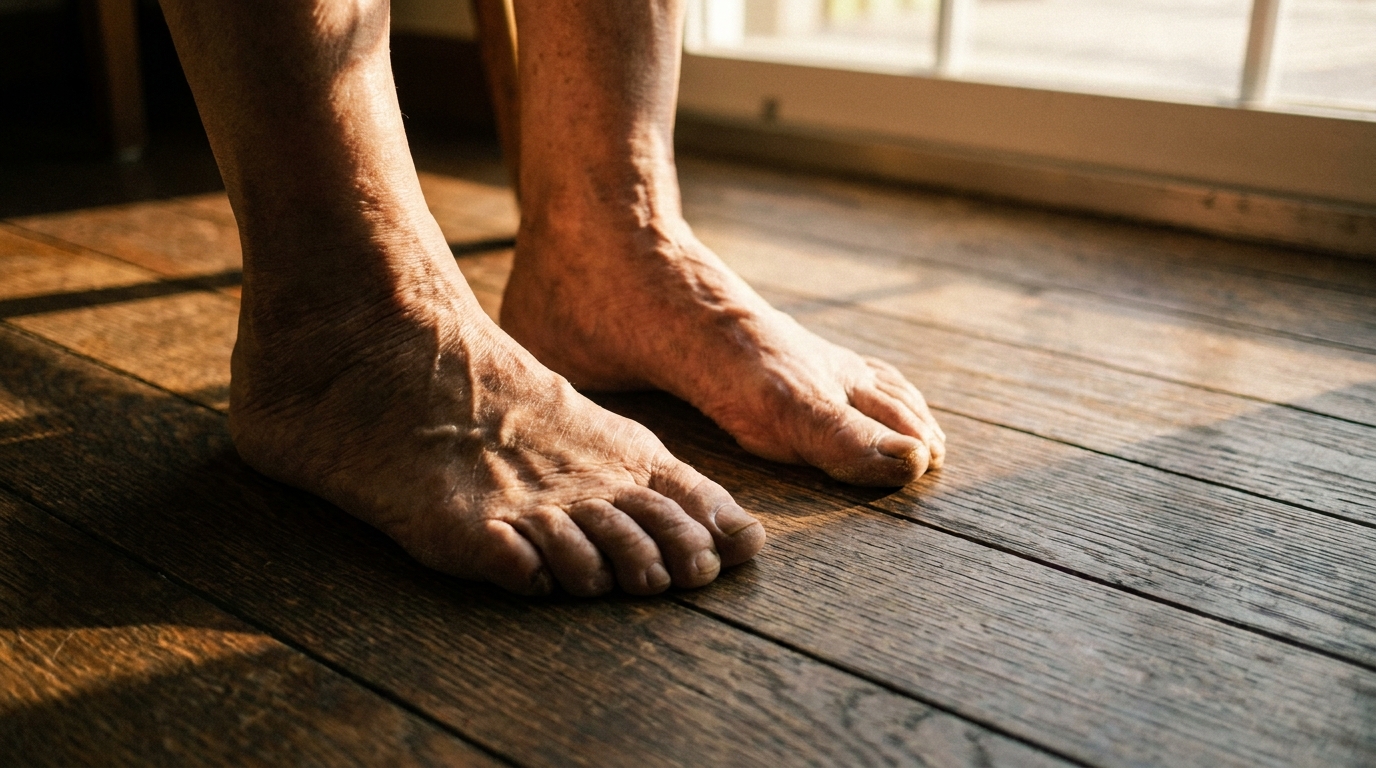
2. The Tandem Stance (Heel-to-Toe)
While it looks simple, the tandem stance is a gold standard for testing vestibular function. Place one foot directly in front of the other, so the heel of your front foot touches the toes of your back foot. Hold this for 30 seconds. Harvard Medical School research shows that static balancing exercises like this improve postural control by forcing the nervous system to coordinate the inner ear, vision, and muscle feedback loops simultaneously.
3. The 'Eyes-Closed' Sway
Vision is a massive crutch for our balance. When you close your eyes, you force your body to rely on its internal sensors. Stand with your feet shoulder-width apart, near a kitchen counter for support. Close your eyes and notice how much your body sways. A 2021 study published in the Journal of the American Geriatrics Society found that training without visual input significantly improves sensory reweighting—the ability to keep your balance even in low-light conditions or when you are distracted.
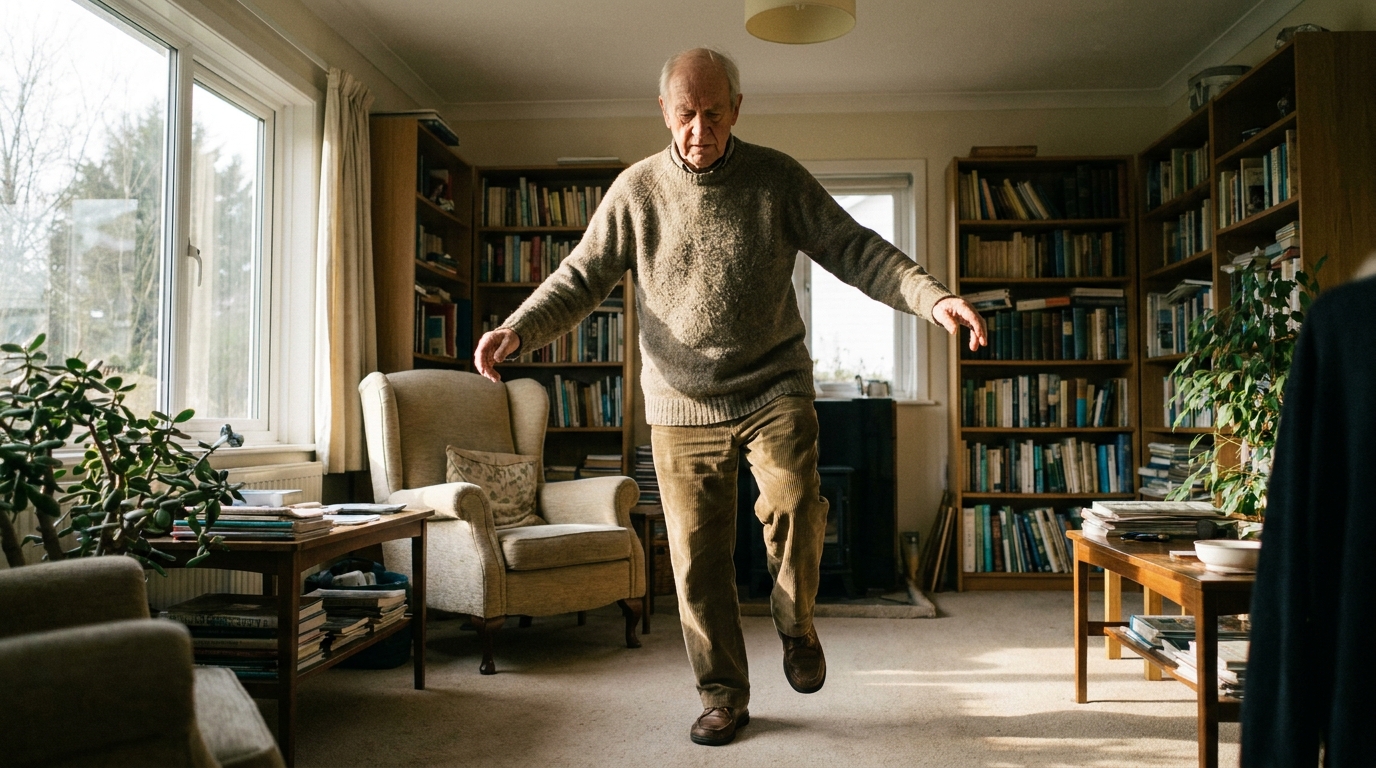
4. Single-Leg Weight Shifting
Instead of just standing still, perform small weight shifts while on one leg. Lift one foot slightly off the ground and move your body weight forward, backward, and side-to-side. This mimics the micro-adjustments you make when you stumble. The National Council on Aging (NCOA) emphasizes that functional stability is built when you challenge your base of support, teaching your nervous system how to react to unexpected shifts in weight.
5. The 'External Focus' Tap
Most people balance by tensing their legs. Instead, try the 'external focus' method. While standing on one leg, gently tap a tennis ball against a wall or have a partner toss it to you. By focusing on the ball rather than your feet, you encourage 'automatic' postural control. Research from the Cleveland Clinic suggests that an external focus of attention helps the brain process balance subconsciously, which is exactly what you need when you are distracted in the real world.
Key Takeaways
- Consistency over intensity: Five minutes of these exercises daily is better than a one-hour session once a week.
- Safety first: Always perform these near a sturdy piece of furniture or a wall until you feel 100% confident.
- Challenge your senses: Removing your visual input or adding a secondary task (like tossing a ball) forces your brain to work harder.
- Listen to your body: Balance is a skill. If you feel tired or shaky, take a break; fatigue can actually increase your risk of a fall.
Improving your balance is one of the most proactive steps you can take to maintain your independence and vitality. By moving beyond the comfort of the walking path and into these specific, stabilizing movements, you are building a body that is ready for life's unexpected wobbles.
Ready to take the next step in your fitness journey? Explore our library of guided balance routines designed specifically for seniors to keep you steady and strong every single day.

Comments