The Silent Indicator of Longevity
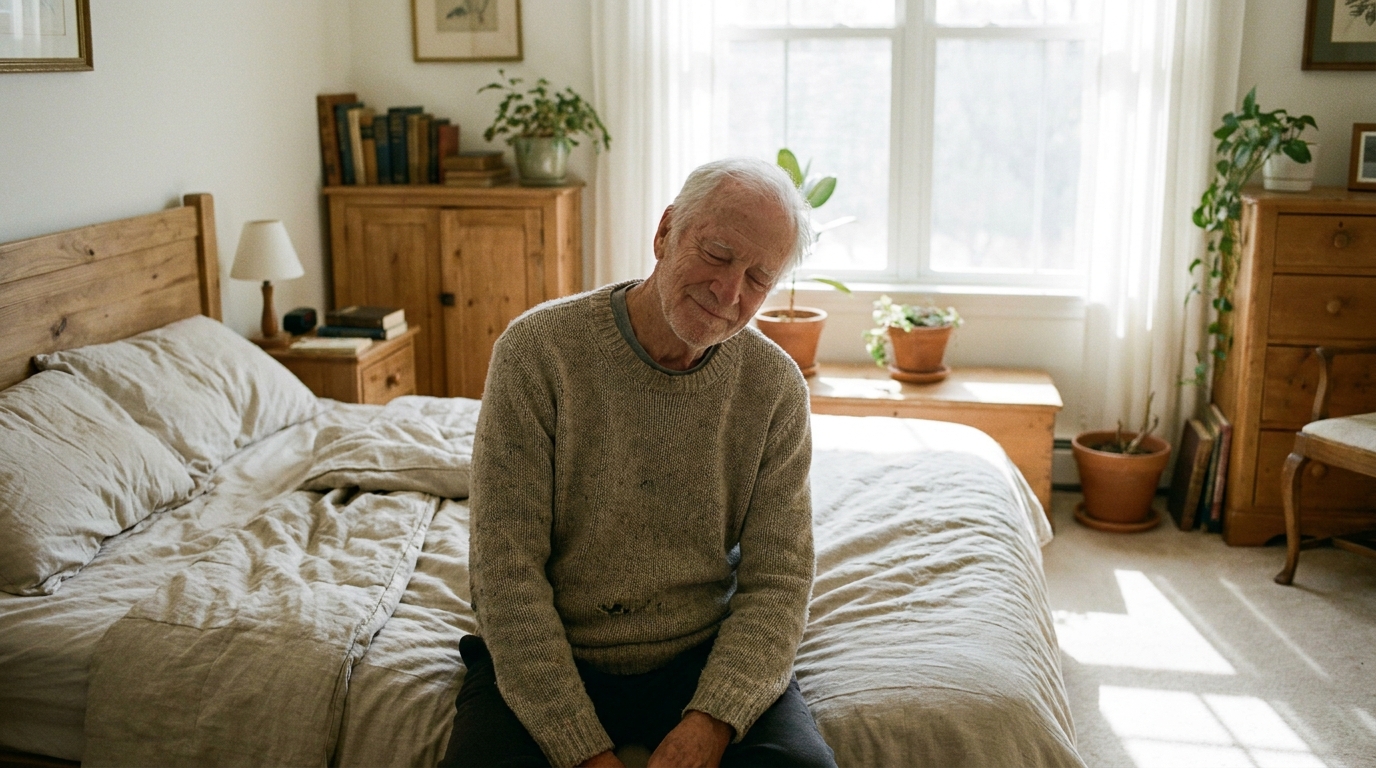
Balance is one of those biological gifts we often take for granted until it begins to slip away. As we navigate our sixties and beyond, maintaining stability isn't just about avoiding a tumble; it is a vital indicator of overall health, mobility, and independence. In fact, balance is so essential that researchers now view it as a primary metric for aging well.
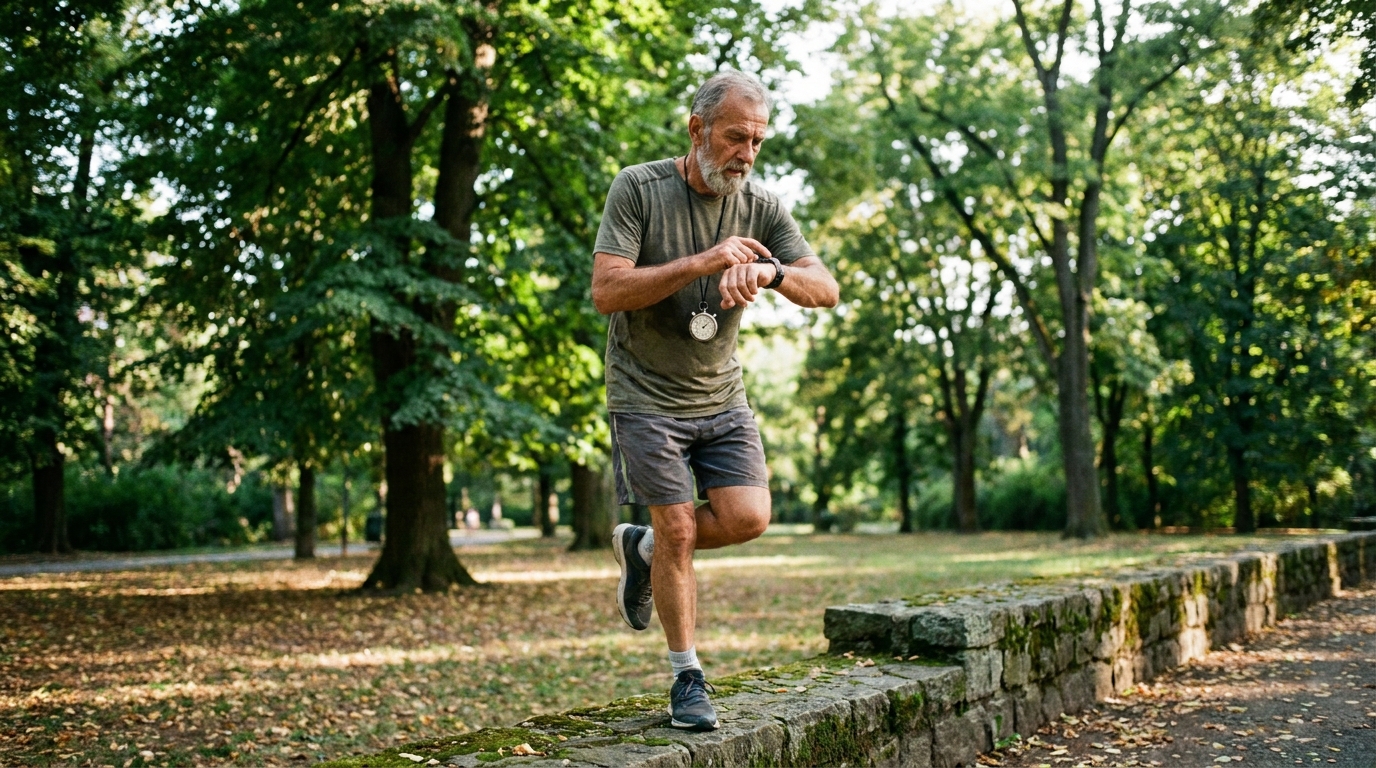
Have you ever wondered how your stability stacks up? The '60-second balance test'—often referred to by clinicians as the single-leg stance test—is a simple, science-backed way to gauge your physical resilience. A 2022 study published in JAMA Internal Medicine revealed that the ability to stand on one leg for 10 seconds is strongly associated with a lower risk of all-cause mortality over the next decade. It sounds simple, but it requires a complex dance between your brain, inner ear, eyes, and muscles.
How to Perform the 60-Second Test Safely
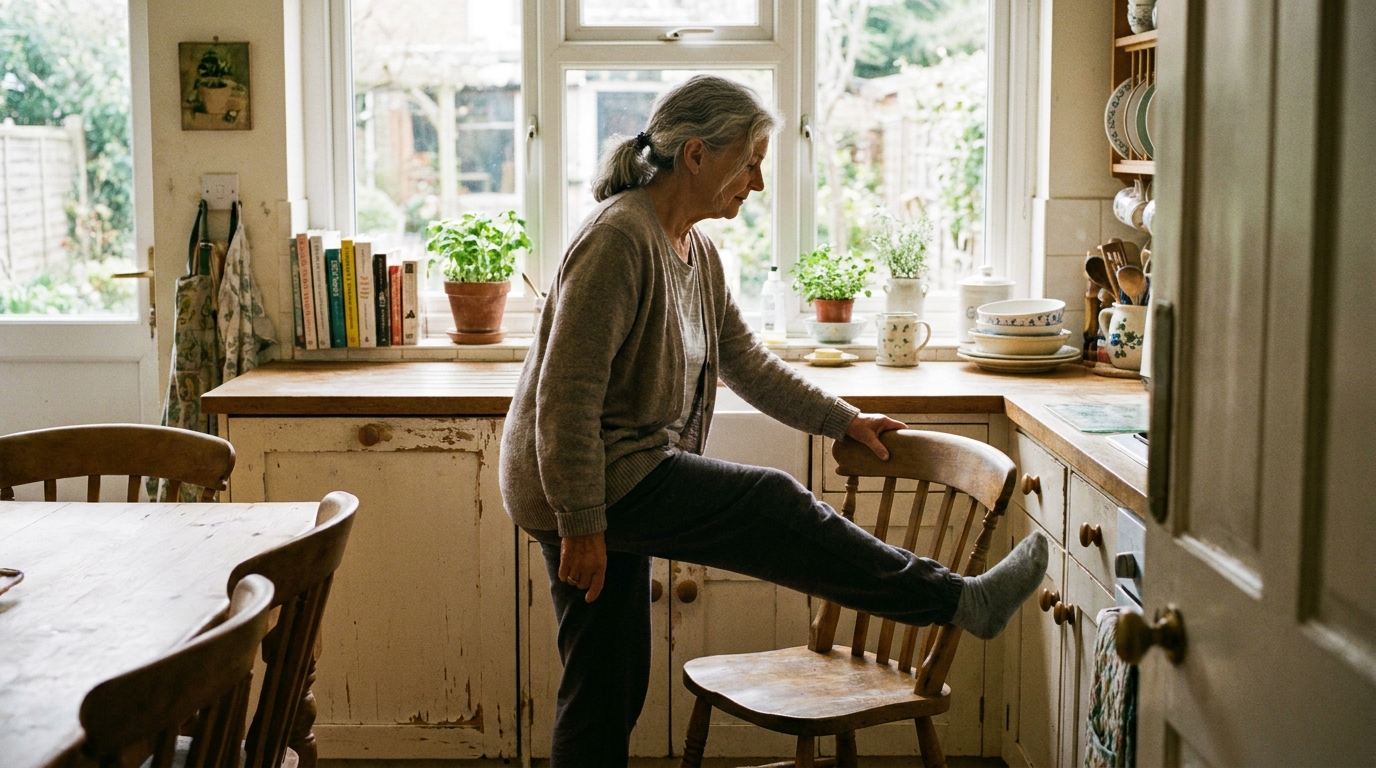
Before you begin, safety is paramount. Always ensure you are in a clear space, preferably near a sturdy kitchen counter or a heavy piece of furniture you can grab if you feel unsteady. Do not attempt this if you have a history of vertigo or severe balance disorders without consulting your physician first.
The Procedure
- Stand near a counter with your feet together.
- Lift one foot off the ground, bending your knee slightly.
- Start a timer and try to maintain your balance without touching the counter or putting your foot down.
- If you reach 60 seconds, congratulations! If you find yourself wobbling before 10 or 20 seconds, don't be discouraged—this is simply a baseline that tells you where to focus your training.
Why Balance Declines With Age
Balance is a multisensory process. According to the Mayo Clinic, as we age, we experience a natural decline in proprioception—the body’s ability to sense its position in space. This is often compounded by changes in vision, a reduction in muscle mass (sarcopenia), and slower nerve signaling. When these systems don't communicate as quickly as they once did, a simple trip on a rug can turn into a fall.
The good news? Balance is highly trainable. Harvard Medical School research shows that consistent, targeted exercises can strengthen the neural pathways responsible for equilibrium, effectively 're-wiring' your body to stay upright.
Actionable Steps to Improve Your Stability Today
You don't need a gym membership to start improving your balance. Small, intentional movements throughout your day can make a significant difference.
1. The Toothbrush Drill
Turn your daily hygiene routine into a workout. While brushing your teeth, practice shifting your weight onto one leg for 30 seconds, then switch. By doing this twice a day, you accumulate two minutes of balance training without setting aside extra time.
2. Heel-to-Toe Walking
Practice walking in a straight line, placing the heel of your front foot directly against the toe of your back foot. This challenges your center of gravity and strengthens your ankles, which the National Institute on Aging (NIA) recommends as a foundational drill for fall prevention.
3. Strength Training for Stability
Balance relies on strong core and leg muscles. Incorporate squats and calf raises into your weekly routine. Even seated exercises can help maintain the muscle tone necessary to catch yourself if you lose your footing.
Key Takeaways
- Balance is a Vital Sign: Your ability to stand on one leg is a direct measure of your overall neurological and physical health.
- Safety First: Always perform balance exercises near a sturdy support surface and keep your environment free of tripping hazards.
- Consistency Beats Intensity: You don't need grueling workouts; two minutes of daily practice is more effective than one long session per week.
- Consult Your Doctor: If you find yourself struggling to maintain balance for even a few seconds, discuss it with your primary care provider to rule out underlying issues.
The Path Forward
Improving your balance is one of the most empowering things you can do for your future self. It builds the confidence to travel, play with grandchildren, and remain active in your community. Remember, your body is capable of adaptation at any age. By dedicating just a few minutes a day to these drills, you are investing in your long-term vitality.
Are you ready to build a stronger, more stable foundation? Click here to explore our deep-dive guide on strength training exercises designed specifically for seniors.

Comments