
The Inner Ear Connection: How Your Vestibular System Controls Balance
As we navigate our golden years, we often take for granted the seamless way our bodies keep us upright. Whether you are reaching for a jar on a high shelf or taking a brisk walk through the park, your ability to remain steady is a complex, high-speed collaboration between your brain, your eyes, your muscles, and—most importantly—your inner ear. This intricate network is known as the vestibular system, and understanding how it works is the first step in maintaining your independence and preventing falls.
What is the Vestibular System?
Tucked deep within the temporal bone of your skull lies the vestibular system, a tiny but mighty sensory organ. It consists of a series of fluid-filled canals and small sacs that act like a biological gyroscope. According to the Mayo Clinic, the vestibular system is responsible for sensing head position and movement, sending constant signals to your brain to help you maintain your orientation in space.
When you turn your head, the fluid in these canals shifts, stimulating microscopic hair cells. These cells convert that movement into electrical signals, which travel along the vestibular nerve to the brain. If this system is working optimally, you don’t even think about balance—it just happens.
Why Balance Changes as We Age
It is common to notice that balance isn't quite as automatic as it was in our thirties. Harvard Medical School research indicates that age-related changes in the inner ear, combined with a gradual decrease in the number of nerve cells, can lead to increased instances of dizziness or unsteadiness. Furthermore, the brain's ability to process these signals can slow down slightly, meaning our "correction" time when we stumble is not as lightning-fast as it once was.
The Role of Vision and Proprioception
Your vestibular system doesn't work alone. It relies on a "triad" of inputs: your eyes, your inner ear, and proprioception (the ability of your muscles and joints to sense where they are). A 2022 study published by the National Institutes of Health (NIH) highlights that seniors often compensate for inner ear decline by relying more heavily on their vision. This is why walking in low-light conditions—like navigating to the bathroom at night—can be significantly more challenging for older adults.
Key Takeaways for Maintaining Stability
- Stay Hydrated: Dehydration can affect the fluid balance in your inner ear, leading to lightheadedness.
- Prioritize Eye Health: Regular vision checkups are essential, as your brain uses visual cues to compensate for vestibular shifts.
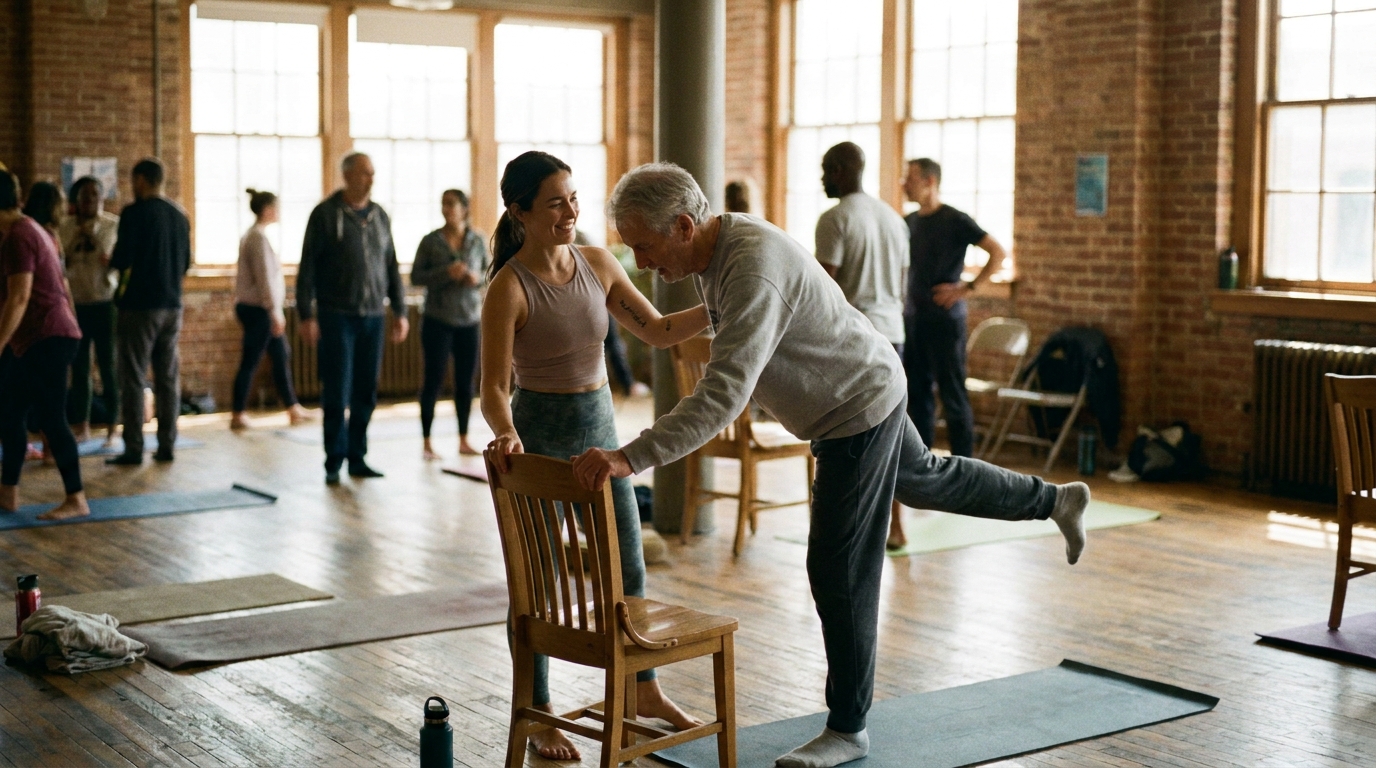
- Move Daily: Low-impact movement like Tai Chi or gentle yoga strengthens the proprioceptive signals sent from your legs to your brain.
- Review Medications: Some blood pressure and antihistamine medications can cause vestibular side effects; consult your doctor if you feel dizzy.
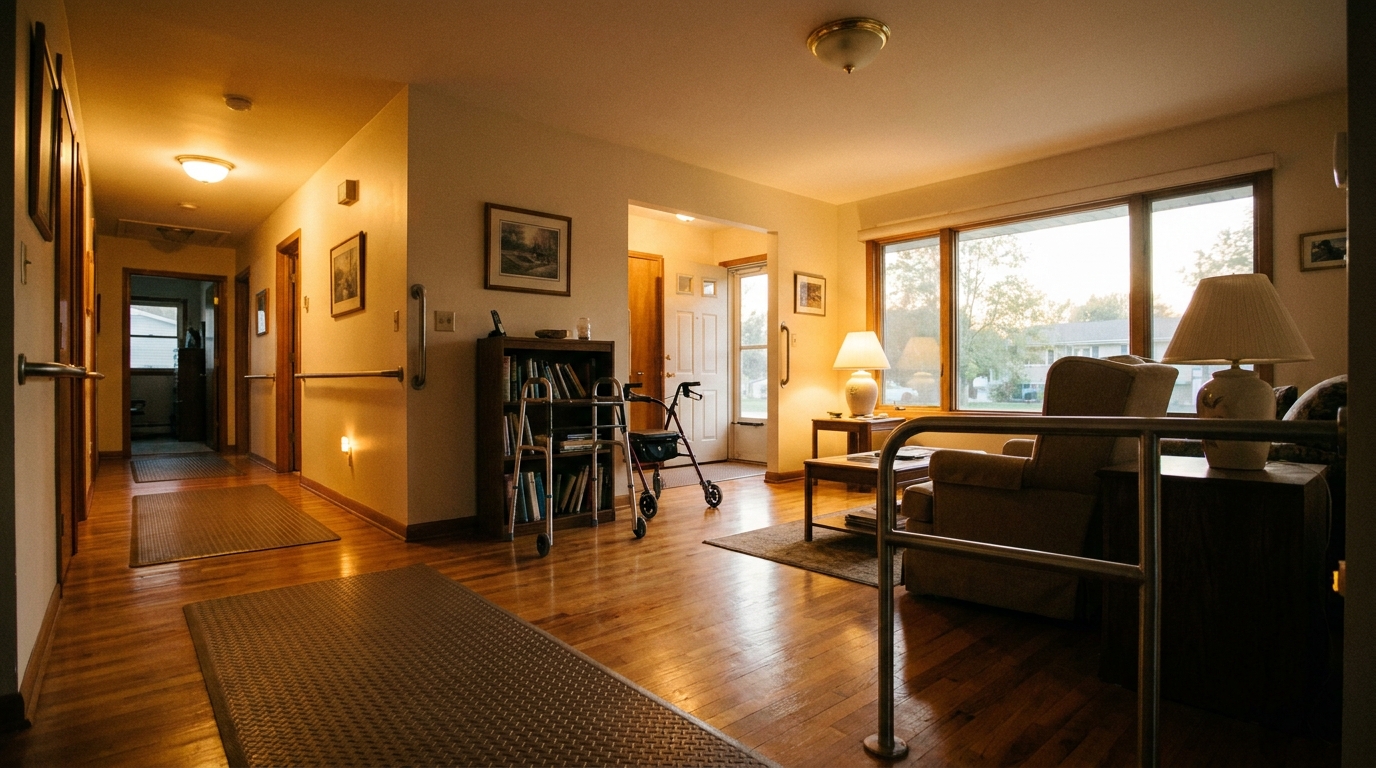
- Optimize Lighting: Keep nightlights in hallways to assist your brain when your vestibular system is at rest.
Practical Tips You Can Start Today
You don't need a gym membership to support your vestibular health. Simple, daily habits can make a profound difference. First, practice "static balance" while brushing your teeth; try standing on one foot for 10 seconds, holding onto the counter for safety. This trains your brain to integrate sensory input more effectively.
Second, consider the environment in your home. The National Council on Aging (NCOA) suggests that removing throw rugs and clearing pathways reduces the cognitive load on your balance system, allowing your brain to focus on stability rather than obstacle avoidance. Finally, if you experience sudden spinning sensations, do not ignore them. Visit an ENT specialist or a physical therapist who specializes in vestibular rehabilitation—they can often resolve inner ear issues with simple, targeted maneuvers.
Empower Your Future
Taking care of your inner ear health is an investment in your long-term vitality. By understanding the science behind your balance, you are better equipped to stay active, confident, and steady on your feet. For more in-depth strategies on strengthening your core and improving coordination, explore our full library of articles in the Balance & Fall Prevention section of SeniorVitalityHub.


Comments