
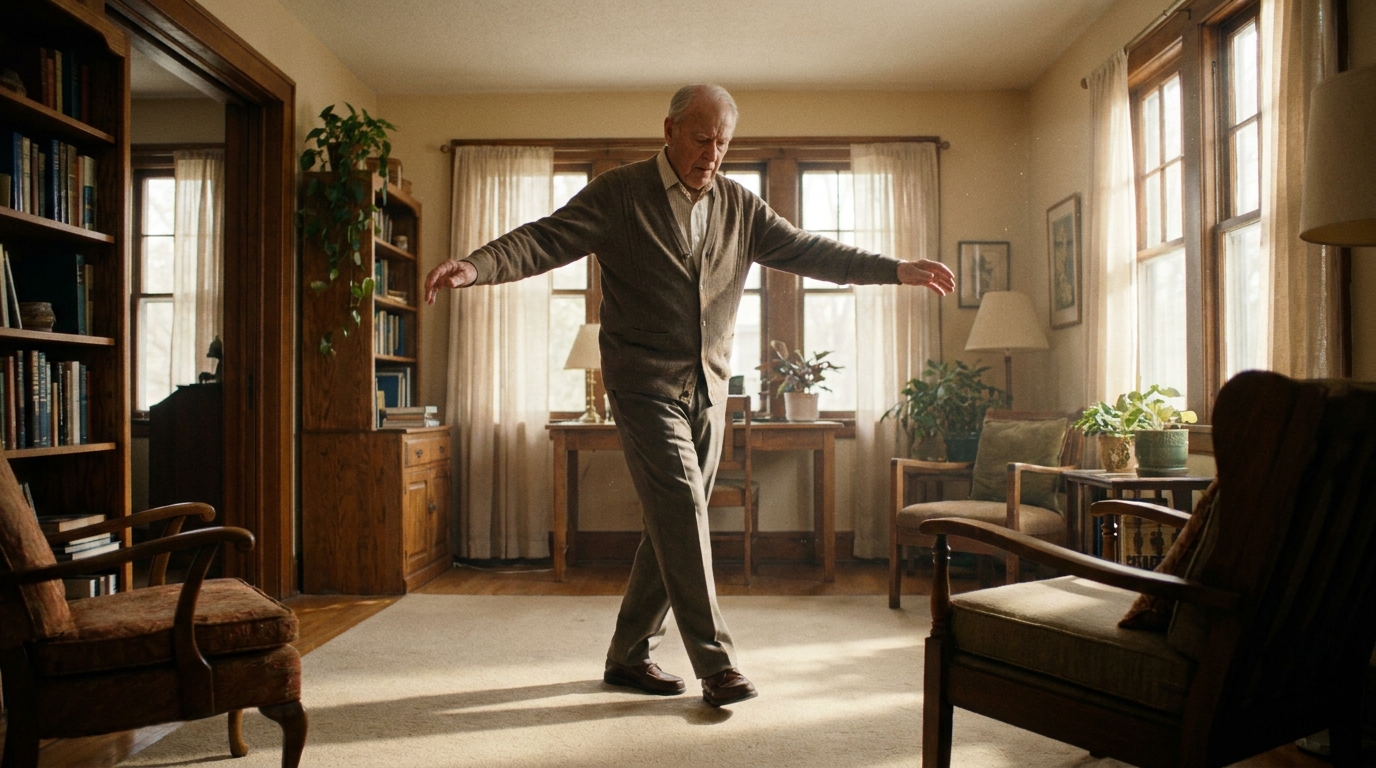
It is a common scenario: you are walking to the mailbox or navigating a familiar grocery store aisle, and suddenly, you feel a tightening in your chest. You find yourself watching your feet intently, gripping the handrail a little tighter than necessary, or perhaps deciding to skip that walk in the park altogether. This is the 'fear of falling'—a phenomenon so prevalent that researchers have given it a formal name: post-fall syndrome or fear-of-falling-related avoidance behavior.
While it is natural to want to stay safe, the irony of this fear is profound. By limiting your activity to avoid a potential tumble, you are inadvertently weakening the very muscles and balance systems that keep you upright. Let’s explore why this happens and how you can reclaim your confidence.
The Vicious Cycle of Avoidance
When you fear falling, your brain’s natural response is to limit movement. You might start taking smaller, more tentative steps, or stop participating in activities like gardening, social dancing, or evening walks. According to the National Council on Aging (NCOA), this avoidance behavior leads to a decline in physical fitness, including reduced muscle strength, poor flexibility, and diminished gait stability. As your physical capabilities wane, your actual risk of falling increases—not because you aren't careful, but because your body has lost the conditioning required to catch itself when you stumble.
Understanding the Science of Balance
Balance is a complex symphony involving your eyes, your inner ear, and your proprioception—the body’s ability to sense its position in space. When you become overly cautious, you stop challenging these systems. Harvard Medical School research shows that balance is a 'use it or lose it' skill. When we stop moving confidently, our brain stops receiving the necessary feedback to calibrate our gait, leading to 'stiff' movement patterns that are actually less efficient at navigating uneven terrain.
How Fear Changes Your Gait
Have you ever noticed yourself looking down at your feet while walking? This is a hallmark of the fear of falling. Research published in the Journal of Gerontology suggests that visual dependency—relying entirely on your eyes rather than your body’s internal balance sensors—can actually lead to a less stable walk. By keeping your gaze fixed on the ground, you lose the ability to scan your environment for obstacles, which ironically makes you more likely to trip over a stray rug or uneven sidewalk.
Key Takeaways
- Fear of falling leads to activity avoidance, which causes muscle atrophy and balance decline.
- Visual dependency—staring at your feet—reduces your ability to navigate obstacles safely.
- Regular, moderate physical activity is the most effective antidote to fall-related anxiety.
- Consulting a physical therapist can help you identify specific balance deficits before a fall occurs.
- Small, consistent movements are better than sporadic, high-intensity exercise for building confidence.
Actionable Steps You Can Take Today
You don't need to sign up for an intense gym program to break this cycle. Start with these simple, science-backed strategies:
1. Practice 'Gaze-Shift' Walking
Next time you are walking in a safe, flat environment, intentionally look forward at eye level rather than down at your feet. If you feel nervous, practice this in a short hallway where you can touch the wall if needed. Training your brain to trust your proprioception is vital.
2. The Single-Leg Stand
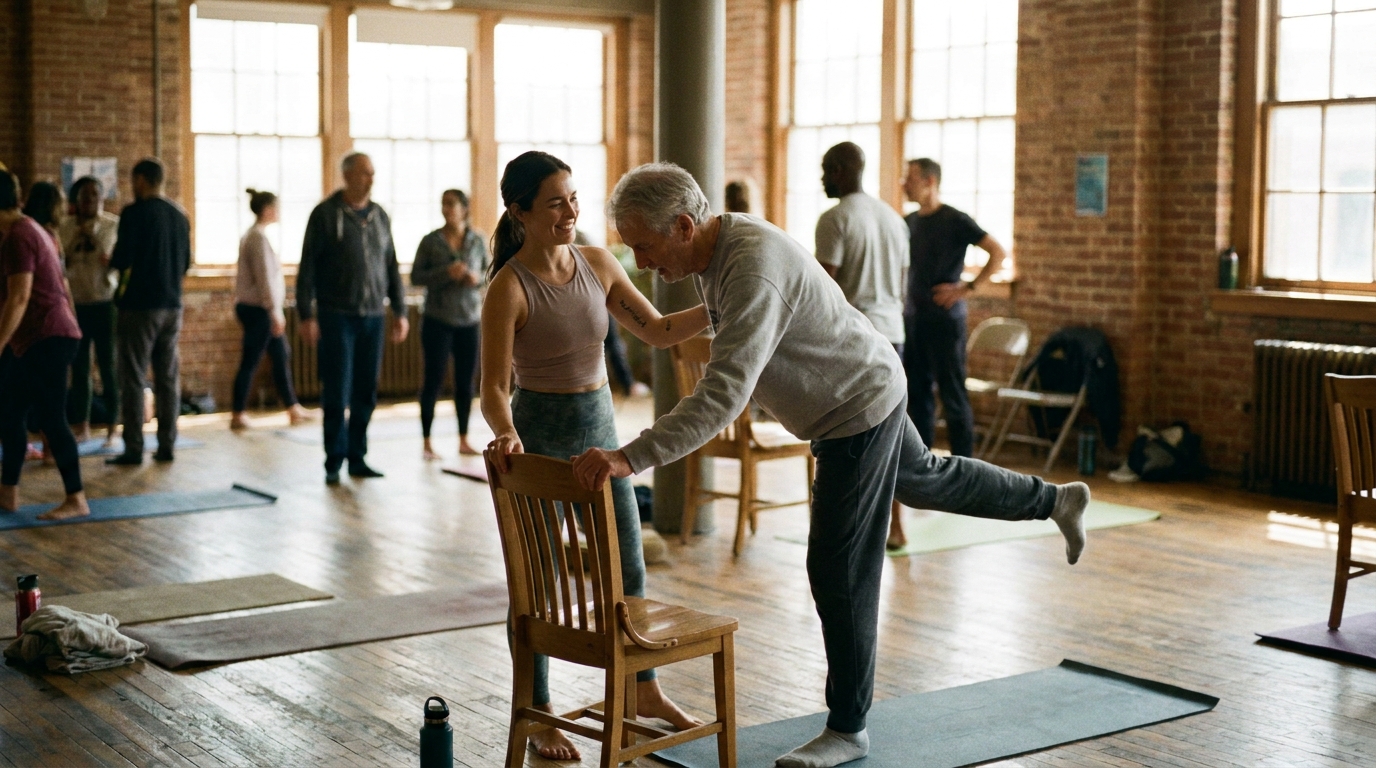
The Mayo Clinic suggests incorporating simple balance exercises into your daily routine. While waiting for the kettle to boil, hold onto the counter and practice standing on one leg for 10 seconds. This simple act engages your core and strengthens the stabilizing muscles in your ankles.
3. Review Your Medications
According to the Cleveland Clinic, many common medications—especially those for blood pressure or anxiety—can cause dizziness or lightheadedness. Schedule a 'brown bag' review with your pharmacist to ensure your prescriptions aren't contributing to your sense of unsteadiness.
4. Strengthen the Core
A strong core is your body’s natural stabilizer. Simple seated chair exercises, such as leg lifts or gentle torso twists, can build the foundational strength needed to recover from a minor stumble.
The Path Forward
It is important to remember that confidence is built through action, not through avoidance. If your fear of falling is preventing you from living the life you love, it may be time to speak with your primary care physician about a referral to a physical therapist. These professionals are experts in helping seniors regain their independence through targeted, safe, and effective movement training.
You have the power to shift your perspective from fear to capability. By staying active and challenging your balance in small, controlled ways, you aren't just preventing falls—you are investing in your future freedom.
Ready to take the next step in your vitality journey? Explore our library of guided balance and mobility routines designed specifically for your home practice.

Comments