Living Well With Parkinson's: Balance and Mobility Exercises That Help
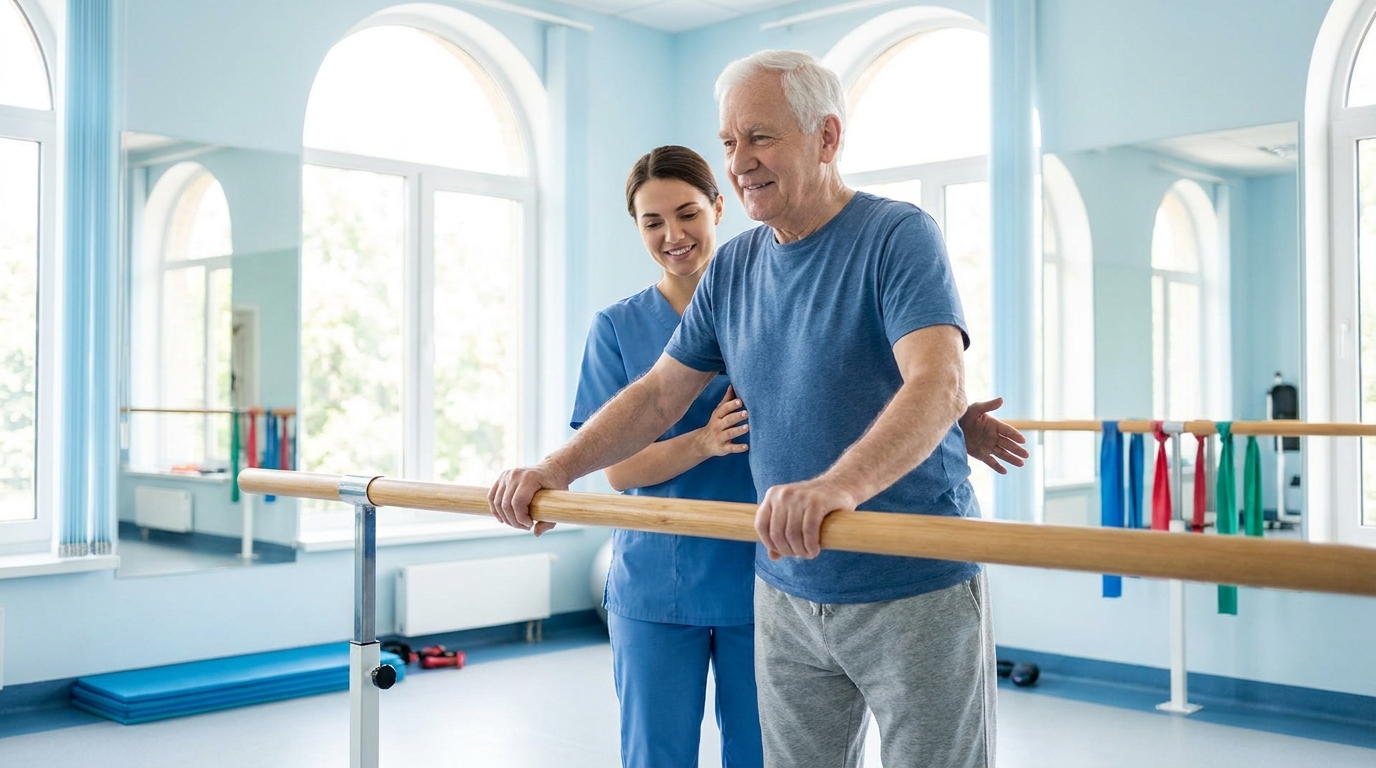
Receiving a Parkinson’s disease diagnosis can feel overwhelming, but it is important to remember that movement is one of the most powerful tools you have in your toolkit. While Parkinson’s affects the motor system, research consistently shows that targeted exercise can improve balance, gait, and overall quality of life by helping the brain maintain neuroplasticity.
Understanding the Role of Movement
Parkinson’s often manifests as stiffness, tremors, and challenges with coordination. These symptoms can make daily tasks—like getting out of a chair or walking to the mailbox—feel daunting. However, exercise is not just about staying fit; it is a therapeutic intervention. According to the National Institutes of Health (NIH), physical activity can help alleviate many motor symptoms and may even slow the progression of functional decline by strengthening the muscles that support your posture and stability.
Key Takeaways
- Regular, consistent exercise is essential for maintaining independence and mobility.
- Focusing on large-amplitude movements helps combat the tendency toward smaller, shuffling steps.
- Balance training reduces the risk of falls and increases confidence in daily activities.
- Always consult your neurologist or a physical therapist before starting a new exercise regimen.
- Consistency matters more than intensity; aim for moderate daily activity rather than sporadic, strenuous workouts.
Effective Exercises for Balance and Mobility
1. The Power of Big Movements
One common symptom of Parkinson's is bradykinesia, or the slowing of movement, which often leads to smaller gestures and shorter steps. Harvard Medical School research shows that “Big” movement therapy—which encourages exaggerated, high-amplitude motions—can help recalibrate the brain’s perception of normal movement, leading to a more natural, confident stride.
2. Tai Chi for Stability
Tai Chi is often referred to as “meditation in motion.” Its slow, controlled weight shifts are excellent for training the body to maintain its center of gravity. A study published in the New England Journal of Medicine highlighted that individuals with Parkinson’s who practiced Tai Chi showed significant improvements in balance and a lower frequency of falls compared to those who engaged in traditional resistance training or stretching alone.
3. Seated Strength Training
If you are concerned about balance, start with seated exercises. Strengthening your core and legs while in a chair provides a stable foundation for when you do transition to standing. Simple movements like seated leg extensions or “marching” in place can improve hip flexor strength, which is vital for walking.
Practical Tips for Your Daily Routine
You don't need a gym membership to see progress. Start by integrating these small, actionable habits into your day:
- The “Big” Reach: While sitting, reach your arms as far as you can to the left, right, up, and down. Keep your movements intentional and expansive.
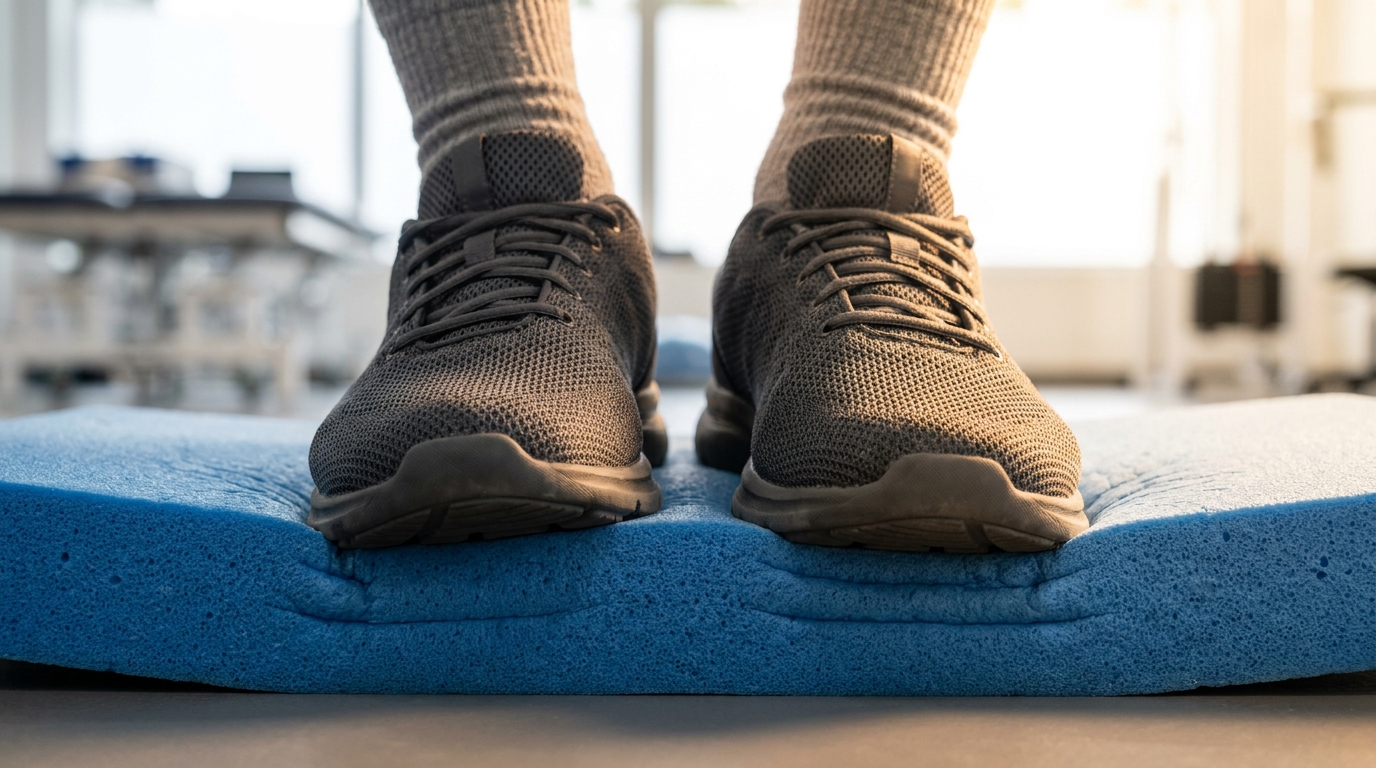
- Kitchen Counter Balance: While waiting for the kettle to boil, stand tall with your feet shoulder-width apart and practice shifting your weight slowly from one foot to the other, holding the counter for support if needed.
- Focus on Your Stride: When walking, consciously focus on lifting your feet and taking longer steps. Think “big steps” to override the natural tendency to shuffle.
Safety First: When to Consult a Professional
While staying active is crucial, safety is paramount. The Cleveland Clinic recommends working with a physical therapist who specializes in neurological conditions. They can create a personalized plan that addresses your specific gait patterns and balance needs, ensuring that you are exercising in a way that is both effective and safe.
Remember, the goal is not to achieve perfection, but to maintain your vitality and continue doing the things you love. By making movement a non-negotiable part of your day, you are taking proactive control of your health journey.
Explore More on SeniorVitalityHub
Living with Parkinson’s is a journey that requires patience and the right resources. We are here to support you every step of the way. Click here to read our latest article on nutrition strategies for Parkinson’s management or browse our full archive of wellness guides designed specifically for seniors.


Comments