
It starts subtly. Perhaps you catch your toe on a rug you’ve navigated for years, or you feel a brief moment of unsteadiness when stepping off a curb. If you are in your 70s and finding yourself stumbling more often, you are not alone. While it is natural to feel concerned, it is important to understand that balance issues are rarely caused by a single factor. Instead, they are often the result of a complex interplay between how our bodies process sensory information and how our muscles respond to it.
The Biology of Balance: Why Things Change After 70
Balance is a silent, subconscious symphony performed by your brain, your eyes, your inner ear, and your nerves. As we age, the individual instruments in this orchestra may lose a bit of their precision. According to the Mayo Clinic, age-related changes in the vestibular system (the inner ear) can impair your sense of spatial orientation, making it harder for your brain to determine exactly where your body is in relation to the ground.
The Role of Sensory Decline
Your body relies on proprioception—the ability to sense your body's position in space. Over time, the nerve endings in your feet and ankles may become less sensitive. When your brain receives less feedback from your feet about the texture or stability of the surface you are standing on, it struggles to make the micro-adjustments necessary to keep you upright. A 2022 study published in JAMA Internal Medicine noted that visual and sensory impairments are primary contributors to gait instability in older adults, emphasizing that even minor changes in vision can lead to significant tripping hazards.
Common Culprits Behind the Stumbles
Before assuming that stumbling is just a sign of “getting older,” it is vital to look at the common, treatable factors that may be influencing your stability.
Medication Interactions
Many seniors take multiple medications for blood pressure, sleep, or anxiety. Harvard Medical School research shows that certain classes of drugs, particularly those with anticholinergic properties or those that cause blood pressure to drop upon standing (orthostatic hypotension), are leading causes of dizziness and falls. If you have recently started a new prescription, it is worth discussing its side effects with your pharmacist.
Muscle Mass and Strength
Sarcopenia, the natural age-related loss of muscle mass, particularly in the legs and core, directly impacts your ability to recover from a stumble. If your muscles are not strong enough to make an immediate, corrective movement, a minor trip can quickly escalate into a fall.
Practical Steps to Improve Stability Today
The good news is that balance is a skill that can be maintained and even improved through targeted intervention. You do not need a gym membership to start protecting your mobility.
1. Start a Daily Balance Routine
Simple exercises like standing on one leg while holding onto a sturdy kitchen counter can significantly improve your stability. Aim for 30 seconds on each leg, twice a day. The National Council on Aging (NCOA) recommends incorporating “Tai Chi” or dedicated balance-training classes, which have been proven to reduce fall risks by strengthening the core and improving postural awareness.
2. Optimize Your Home Environment
Take a “safety walk” through your home today. Remove loose throw rugs, improve lighting in hallways, and ensure that cords are tucked away. These environmental changes reduce the demand on your balance system, giving you more “mental bandwidth” to handle unexpected obstacles.
3. Prioritize Vision and Footwear
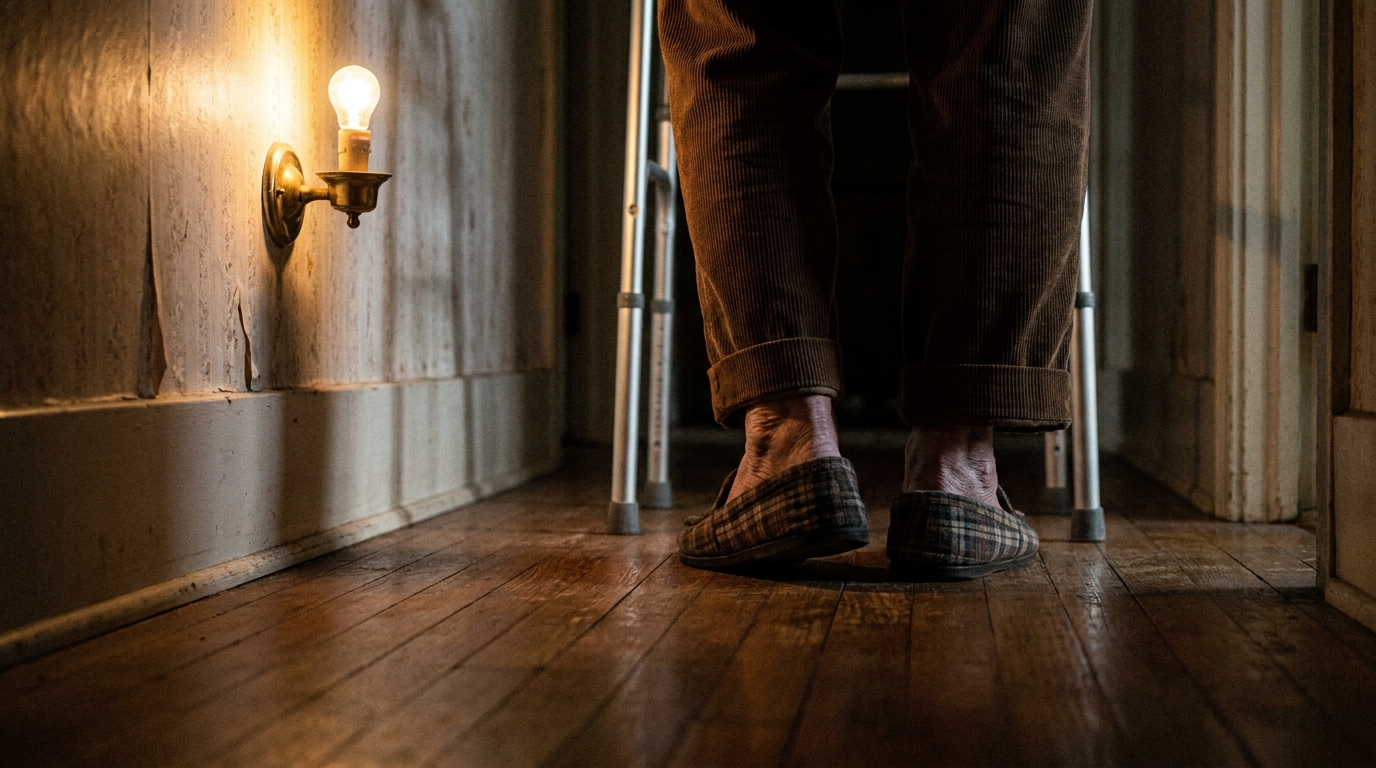
Schedule an annual eye exam. Bifocals and progressive lenses can sometimes distort depth perception, especially when looking down at stairs. Additionally, ensure your footwear provides adequate support and has non-slip soles. Avoid walking in socks or loose slippers on hardwood floors.
When to See a Doctor
While occasional stumbles are a common part of aging, frequent, unexplained trips or episodes of true vertigo (the sensation that the room is spinning) warrant a visit to your primary care physician or a physical therapist. Johns Hopkins Medicine suggests that a formal “fall risk assessment” can help identify specific deficits in your gait or strength that can be corrected with a personalized physical therapy plan.
Key Takeaways
- Understand the source: Stumbling is often a combination of inner ear changes, vision decline, and reduced muscle strength.
- Review your meds: Consult your doctor to see if your current medications are contributing to dizziness or lightheadedness.
- Strengthen your foundation: Daily balance exercises, like standing on one leg, significantly improve your body’s ability to stabilize itself.
- Clear your path: Small changes at home, such as removing rugs and improving lighting, can drastically reduce your risk of a serious fall.
- Seek professional help: If you are stumbling frequently, ask your doctor for a physical therapy referral to build a tailored strength program.
Your mobility is the key to your independence. By acknowledging these changes and taking proactive steps to address them, you can continue to move through your world with confidence and vitality. Ready to take the next step in your health journey? Explore our guide on safe, effective strength training exercises designed for seniors here.



Comments