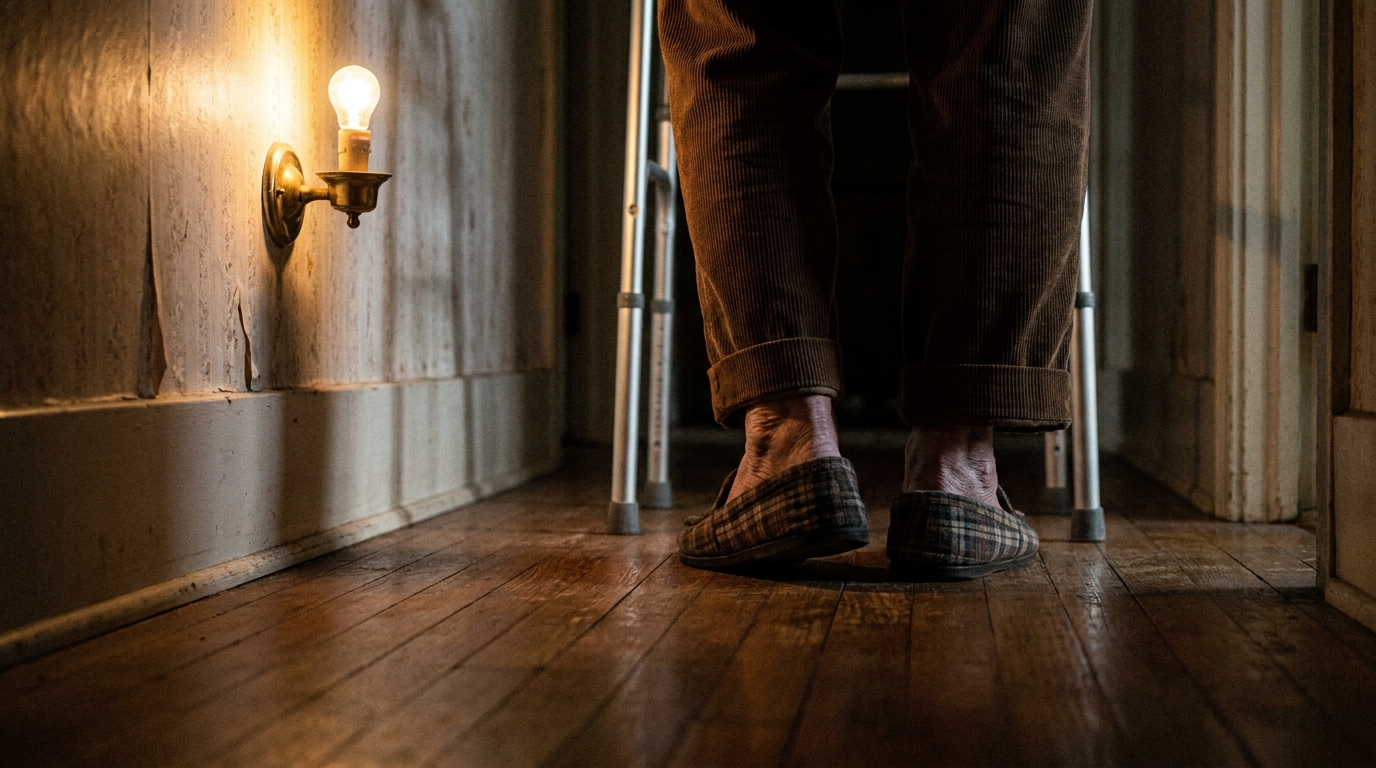
If you have noticed yourself or a loved one beginning to take smaller, dragging steps, you aren’t alone. While many people dismiss a shuffling gait as an inevitable part of "getting older," it is often a signal from your body that deserves attention. Understanding why this change happens is the first step toward reclaiming your stride and protecting your long-term mobility.
Understanding the Shuffling Gait
A shuffling gait, clinically referred to as a hypokinetic gait, is characterized by a shortened stride length, reduced foot clearance, and a tendency to keep the feet close to the ground. It is not a disease in itself, but rather a symptom—a physical manifestation of changes occurring in the brain, the nerves, or the musculoskeletal system.
The Neurological Connection
The most common cause of a shuffling gait is a change in the brain's signaling system. According to the Mayo Clinic, conditions like Parkinson’s disease often manifest early on through a subtle drag or a decrease in the natural arm swing while walking. When the basal ganglia—the part of the brain responsible for smooth, coordinated movement—is affected, the brain struggles to send the "pick up your feet" signal, resulting in a cautious, low-to-the-ground shuffle.
Sensory and Vision Changes
As we age, our proprioception—the body’s ability to sense its position in space—can diminish. Harvard Medical School research shows that when seniors lose confidence in their balance, they instinctively take shorter steps to keep their center of gravity closer to the ground. Furthermore, vision changes can make it difficult to judge depth, prompting an individual to keep their feet close to the floor to avoid tripping over unseen obstacles.
Common Factors Contributing to Gait Changes
Beyond neurological conditions, several other factors can lead to a shuffling pattern:
- Muscle Weakness: Specifically in the core and the hip flexors, which are essential for lifting the leg forward.
- Peripheral Neuropathy: Numbness or tingling in the feet, often caused by diabetes, can make it difficult to feel the ground, leading to a "cautious" walk.
- Medication Side Effects: Certain medications, particularly those for blood pressure or anxiety, can cause dizziness or lightheadedness, leading to a more tentative gait.
- Fear of Falling: A previous fall often creates a psychological barrier where the individual subconsciously avoids taking long, confident strides.
When to See a Doctor
It is important not to ignore a persistent change in your walking pattern. A 2022 study published in JAMA Internal Medicine emphasized that early intervention in gait disorders can significantly reduce the risk of secondary injuries. You should consult a healthcare provider if you notice:
- A sudden change in your walking speed or stability.
- Frequent tripping or stumbling.
- The shuffle is accompanied by stiffness, tremors, or dizziness.
- Difficulty turning around or starting to walk after standing still.
Actionable Tips to Improve Your Stride Today
You don't have to wait for a doctor's appointment to start working on your mobility. Here are practical steps you can take today to improve your gait:
1. Focus on Conscious Lifting
When you walk, consciously think about "marching" slightly rather than dragging. Focus on lifting your toes off the ground with each step. This simple mental cue can help re-train your brain to engage the necessary muscles.
2. Strengthen Your Core and Hips
Physical activity is non-negotiable. According to the National Council on Aging (NCOA), targeted exercises such as heel raises, toe taps, and standing hip abductions can significantly improve balance and gait stability. Aim for 15 minutes of low-impact movement daily.
3. Check Your Footwear
The Cleveland Clinic advises that seniors should wear shoes with non-slip soles and adequate arch support. Avoid wearing loose slippers or flip-flops inside the house, as these require a shuffling motion just to keep them on your feet.
4. Improve Home Lighting
Since vision plays a massive role in gait, ensure your home is brightly lit, especially in hallways and stairwells. Removing throw rugs and decluttering pathways can also remove the environmental triggers that cause you to shuffle defensively.
Key Takeaways
- A shuffling gait is often a symptom of underlying issues like muscle weakness, sensory changes, or neurological conditions, not just "old age."
- Early detection is vital; consult a doctor if you notice a persistent change in your walking pattern to rule out treatable conditions.
- Conscious movement, such as focusing on lifting your toes, can help break the cycle of dragging your feet.
- Regular strength training, particularly for the core and hips, is one of the most effective ways to maintain a natural, healthy stride.
- Evaluate your home environment and footwear to remove obstacles that encourage cautious, shuffling movements.
Your mobility is the key to your independence. By paying attention to how you move and taking proactive steps to strengthen your body, you can keep walking with confidence for years to come. Ready to learn more about maintaining your physical health? Explore our other articles on Mobility and Strength Training for Seniors to keep your vitality at its peak.




Comments