As we navigate our golden years, we often focus on cardiovascular health or cognitive sharpness. Yet, one of the most critical markers of longevity and independence is something we often take for granted until it falters: our balance. Maintaining stability is not just about avoiding a tumble; it is about maintaining the confidence to move through the world with grace and ease.
Understanding the Silent Decline
Balance is a complex symphony involving your inner ear, your vision, and your proprioception—the body's ability to sense its position in space. As we age, these systems naturally undergo subtle changes. According to the Mayo Clinic, age-related changes in the vestibular system and muscle mass can gradually erode our stability, often happening so slowly that we compensate without even realizing it.
3 Signs Your Balance Is Getting Worse
1. You Frequently Find Yourself 'Hand-Trailing'
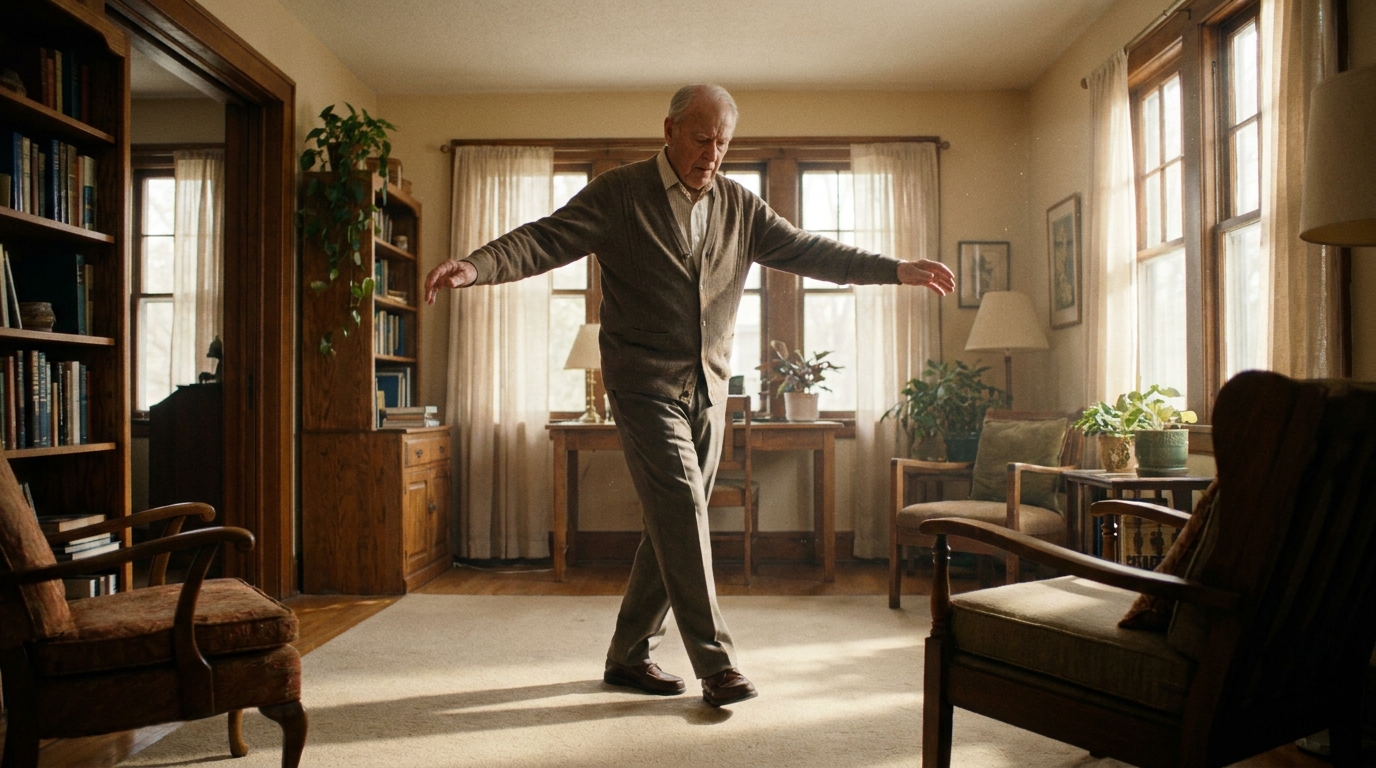
Have you noticed that when you walk through your home, you find yourself habitually brushing your hand against the wall, the back of a sofa, or the kitchen counter? This is known as "hand-trailing," and it is a subconscious strategy your brain uses to create an extra point of stability. While it feels like a harmless habit, it is often a red flag that your internal balance sensors are feeling less secure than they used to be.
2. You Have Become Hesitant on Uneven Surfaces
If you find yourself avoiding gravel paths, grass, or even the slight unevenness of a sidewalk, your confidence in your gait may be slipping. Research from the National Council on Aging (NCOA) suggests that fear of falling is a significant predictor of actual falls. When we become tentative, our movements become rigid, which paradoxically makes us more prone to losing our footing rather than fluidly correcting for a trip.
3. The 'Single-Leg' Struggle
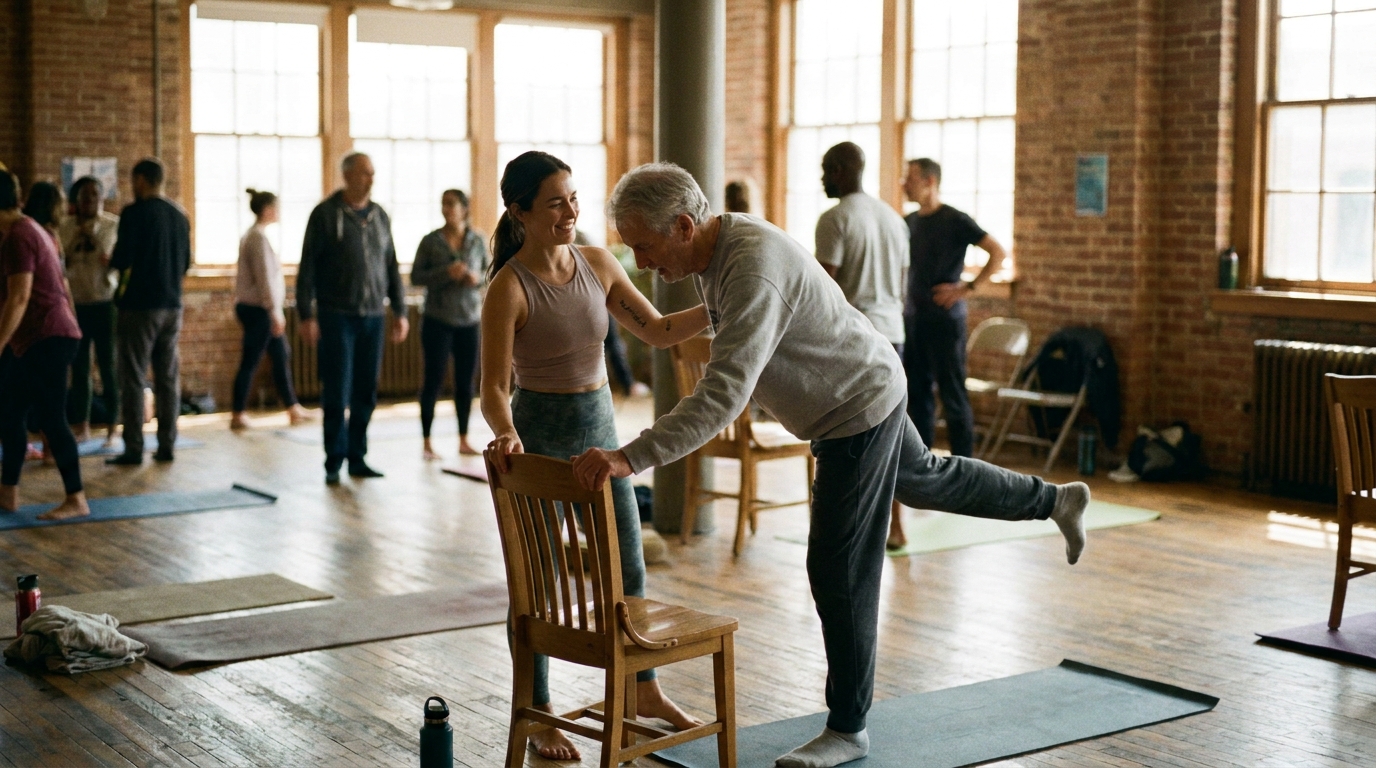
Try this simple test: while standing near a sturdy chair for safety, lift one foot off the ground. Can you hold that position comfortably for 10 seconds? A study published in the British Journal of Sports Medicine highlights that the inability to balance on one leg for 10 seconds is associated with an increased risk of all-cause mortality, primarily because it serves as a powerful proxy for overall neuromuscular health.
What You Can Do Today: Actionable Steps
The good news is that balance is a skill that can be trained, improved, and maintained regardless of your age. You do not need a gym membership to see progress; consistent, small movements are the gold standard for improvement.
The 'Chair Stand' Routine
Leg strength is the foundation of balance. Perform "sit-to-stands" from a sturdy chair. Keep your chest up, push through your heels, and stand fully upright before slowly lowering yourself back down. Aim for 3 sets of 10 repetitions daily. This builds the quadriceps and glutes, which are essential for catching yourself if you stumble.
Incorporate Tai Chi or Yoga
Harvard Medical School research shows that Tai Chi is one of the most effective exercises for seniors to improve balance and reduce fall risk. Its slow, deliberate movements teach the body to shift weight effectively and improve core stability. Many local community centers offer senior-friendly classes that are both social and physically beneficial.
Review Your Environment
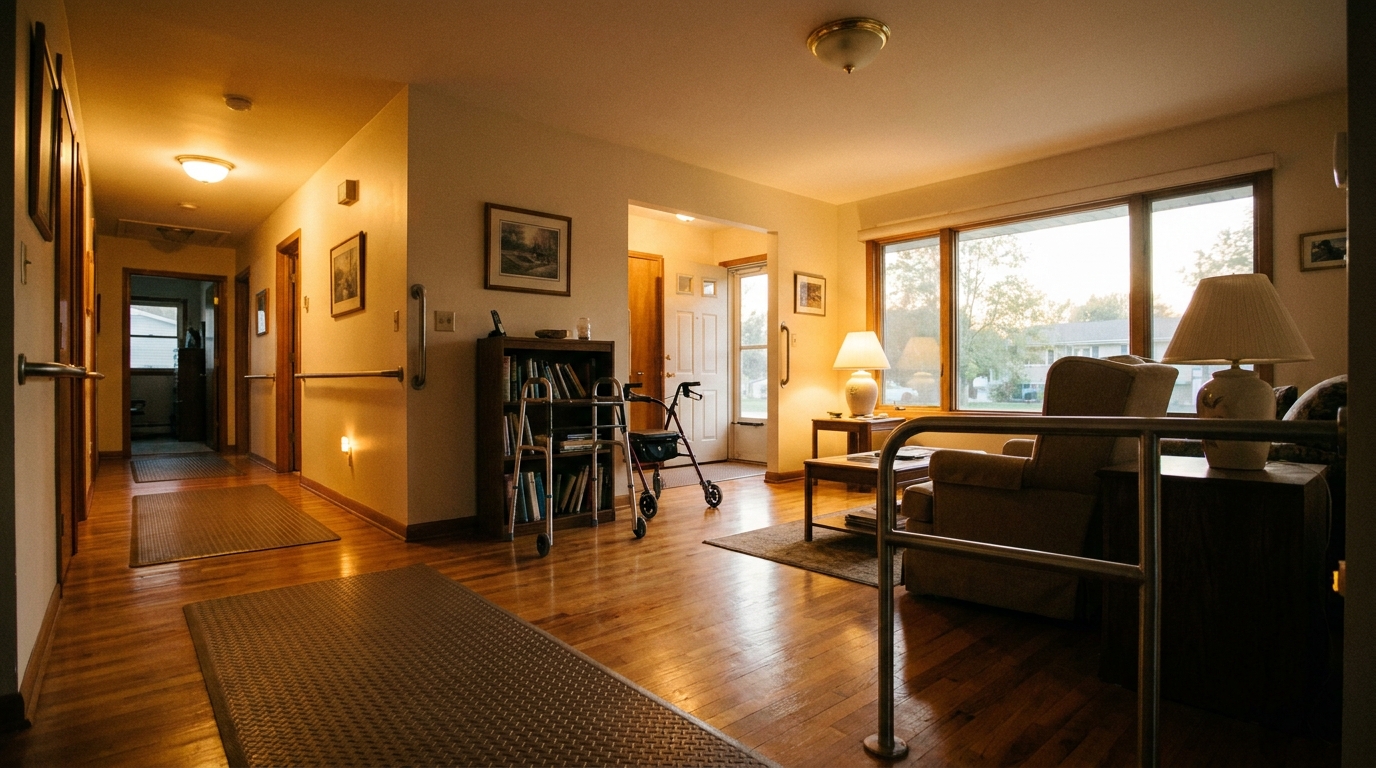
Prevention starts at home. Look for "trip traps"—loose rugs, electrical cords across walkways, or poor lighting in hallways. According to the NIH, simple home modifications like adding grab bars in the bathroom and ensuring clear paths can reduce the risk of accidents by over 30%.
Key Takeaways for Better Stability
- Listen to your body: Hand-trailing and hesitation on uneven ground are signals, not just habits.
- Test yourself: Practice standing on one leg for 10 seconds daily while near a support, such as a sturdy countertop.
- Strengthen the foundation: Focus on lower-body exercises like chair stands to maintain the muscle mass required for stability.
- Embrace movement: Practices like Tai Chi offer proven benefits for proprioception and fall prevention.
- Clear your path: Remove home hazards to create a safer living environment immediately.
Balance is not a fixed trait; it is a dynamic ability that responds beautifully to regular practice. By paying attention to these early warning signs and taking small, intentional steps today, you are investing in your future independence.
Ready to take the next step in your health journey? Explore our library of Strength Training for Seniors to find guided routines designed specifically for your fitness level.

Comments