The Home Safety Checklist That Prevents 80% of Senior Falls
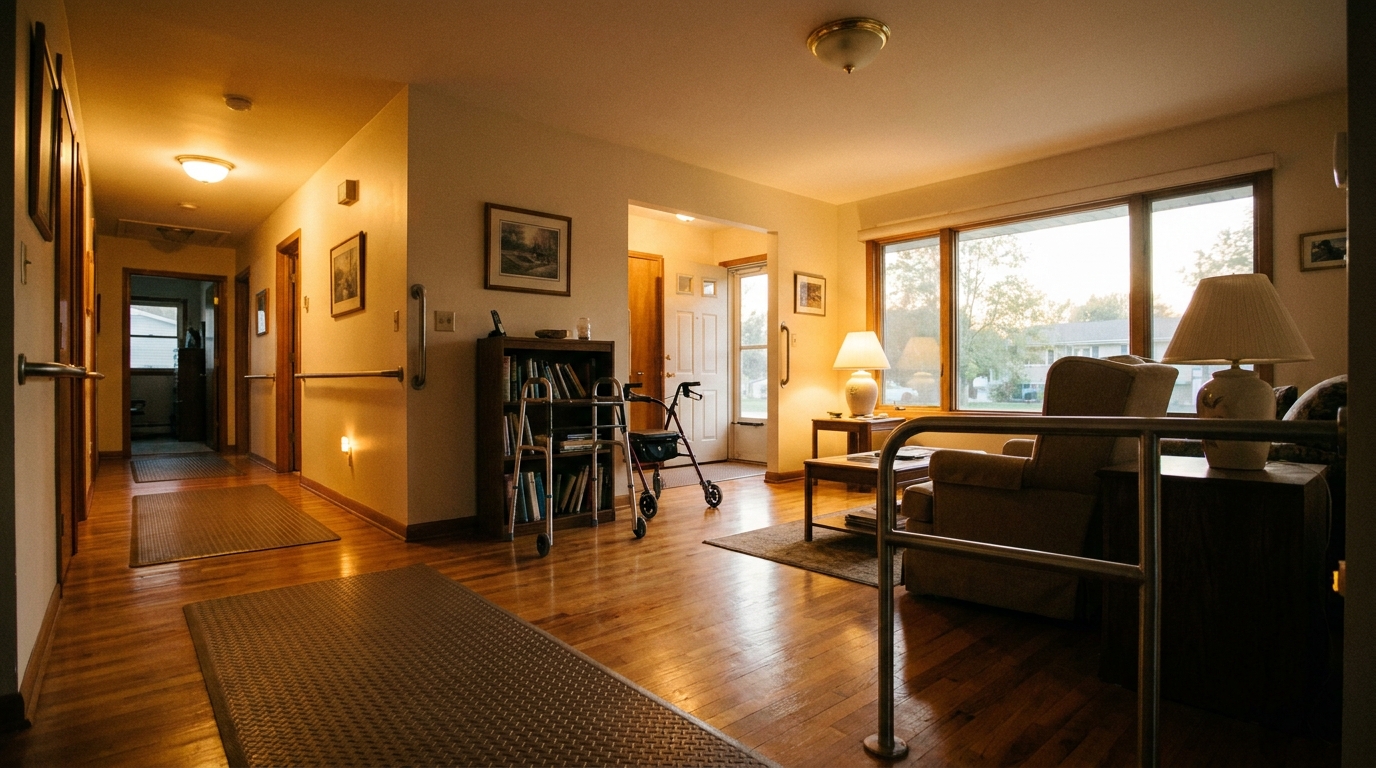
For many of us, our home is our sanctuary—a place filled with decades of memories and comfort. However, as we navigate our 60s and beyond, the very environment we love can present hidden hazards. According to the National Council on Aging (NCOA), one in four Americans aged 65+ falls each year, making falls the leading cause of both fatal and non-fatal injuries among older adults. The good news? Most of these incidents are preventable with a few strategic updates.
Understanding the Mechanics of a Fall
Falls rarely happen because of one single factor. They are often the result of a "perfect storm" involving changes in vision, balance, medication side effects, and environmental hazards. A 2022 study published in JAMA Internal Medicine highlights that multifaceted interventions, including home modifications, are the most effective way to reduce fall risks in community-dwelling older adults.
The "Hidden" Culprits in Your Living Room
You don't need a total home renovation to improve your safety. Often, the most dangerous items are the ones we’ve grown accustomed to over the years. Throw rugs, extension cords, and low-seated furniture are the primary culprits. Harvard Medical School research suggests that even minor adjustments—like removing rugs or improving lighting—can significantly lower the probability of a trip or slip.
The Essential Home Safety Checklist
Take an afternoon this week to walk through your home with a critical eye. Use this checklist to identify and rectify potential hazards room-by-room.
Living Areas and Hallways
- Clear the Paths: Ensure all walkways are free of clutter, including stacks of books, shoes, or decorative items.
- Tame the Cords: Use adhesive cable clips to secure electrical cords along baseboards so they don't cross walking paths.
- Rug Removal: If you must keep area rugs, ensure they are secured with high-quality, non-slip double-sided tape or replace them with low-pile options that lie perfectly flat.
The Kitchen and Bathroom
- The Bathroom Zone: The bathroom is the highest-risk room in the house. Install grab bars near the toilet and inside the shower. According to the Mayo Clinic, these simple additions provide crucial stability during transitions from sitting to standing or when stepping into a tub.
- Lighting Upgrades: Replace standard light bulbs with higher-wattage LED bulbs to improve visibility. Adding motion-sensor nightlights in hallways and bathrooms is an inexpensive way to prevent stumbles during midnight trips.
- Reachability: Keep frequently used items on counter-level shelves. Avoid using step stools or climbing on chairs to reach items in high cabinets.
Beyond the Physical: Addressing Internal Factors
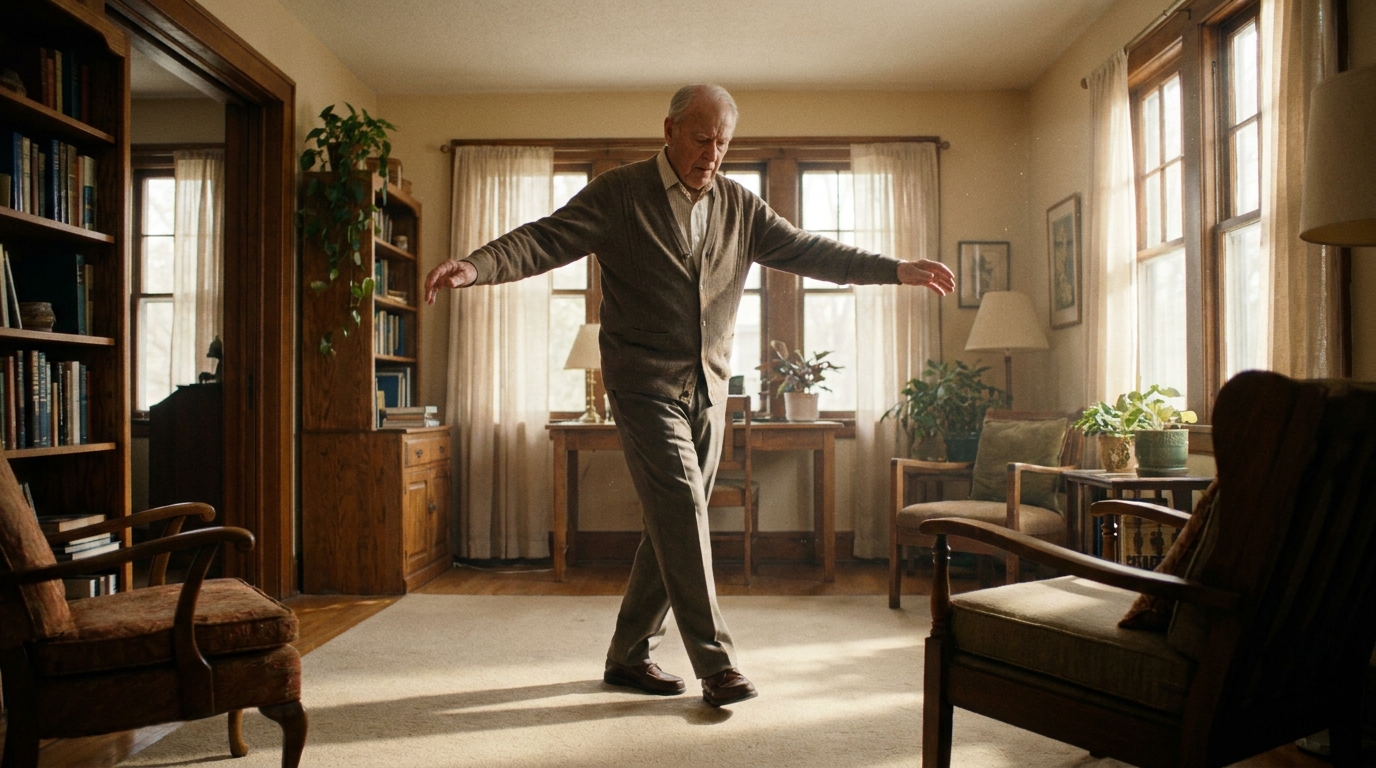
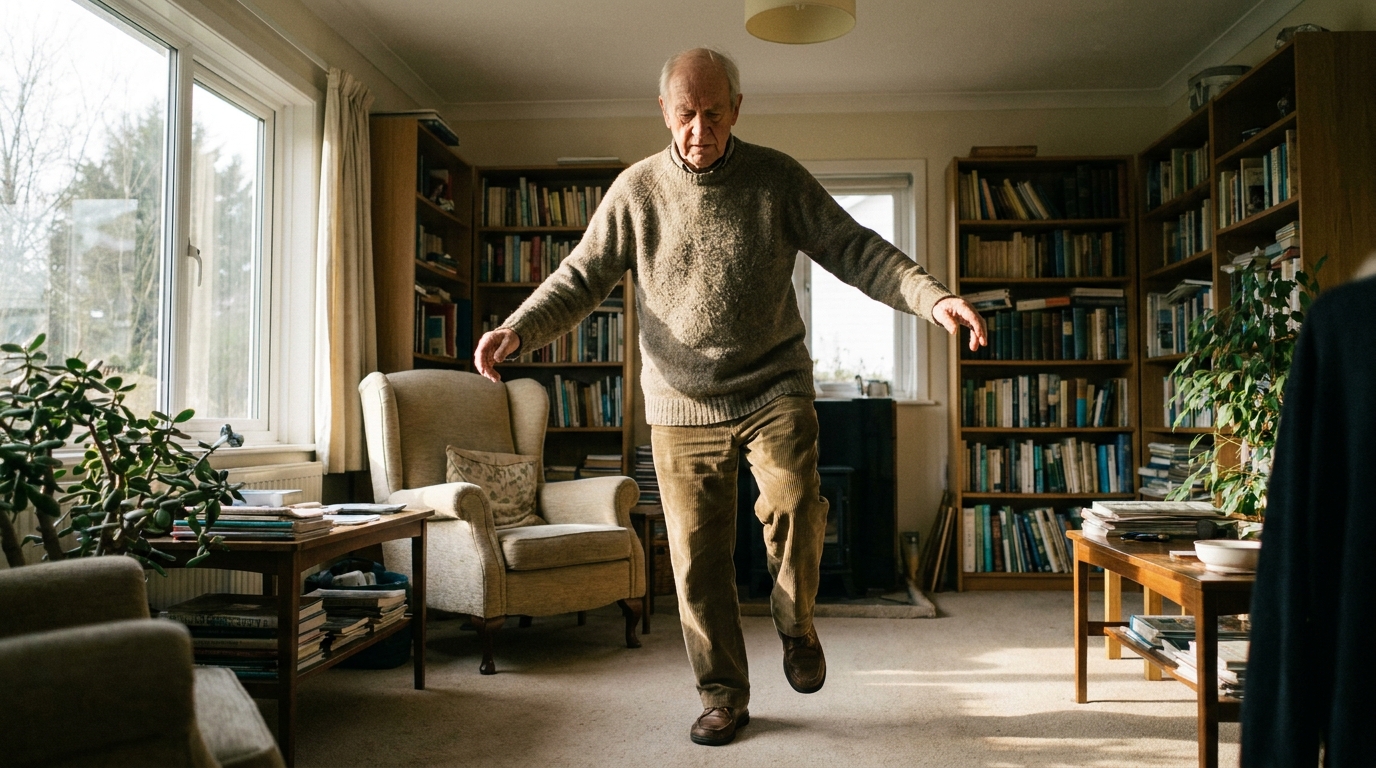
While environmental modifications are vital, your physical health plays an equal role. Johns Hopkins Medicine emphasizes that maintaining muscle strength and balance through regular physical activity is a cornerstone of fall prevention. Simple exercises, such as standing on one leg while holding onto a sturdy counter or practicing heel-to-toe walking, can significantly improve your stability.
Review Your Medications
Many common prescriptions—especially those for blood pressure, sleep, or anxiety—can cause dizziness or lightheadedness. Schedule a "brown bag" review with your pharmacist or primary care physician to discuss your current medication list. They can help identify if any of your medications might be contributing to balance issues.
Key Takeaways for a Safer Home
- Audit your floors: Remove all loose throw rugs and clear pathways of tripping hazards like cords and clutter.
- Prioritize bathroom safety: Install grab bars and use non-slip mats in the shower and near the toilet.
- Light the way: Increase ambient lighting and install motion-sensor nightlights throughout your home.
- Stay active: Engage in balance-focused exercises like Tai Chi or gentle yoga to keep your core strong.
- Review your health: Talk to your doctor about how your current medications might affect your balance.
Taking the First Step Today
Safety isn't about limiting your independence; it’s about creating an environment that supports your active lifestyle. By addressing these environmental factors, you are taking proactive control over your health and well-being. Start with one room this weekend—perhaps the bathroom—and experience the peace of mind that comes with a safer, more secure home.
Ready to learn more about maintaining your independence as you age? Explore our library of articles on Balance & Fall Prevention to discover more tips on strength training, vision care, and healthy aging.

Comments